Understanding the Cost of a Cow in Paraguay: A Guide for Aspiring Cattle Farmers
Contents
The cost of a cow in Paraguay is a crucial factor for anyone considering starting a cattle farm. Paraguay's lush pastures and favorable climate make it an appealing location for cattle farming. However, understanding the financial implications is just one part of the process. Beyond the initial purchase price, potential farmers should consider ongoing costs like feed, healthcare, and security. This guide explores various aspects of cattle farming, from selecting breeds to securing livestock, to help you make informed decisions. With the right knowledge and strategies, you can maximize your investment and ensure your cattle farm's success.
How Much Does a Cow Cost in Paraguay?
The cost of a cow in Paraguay varies based on several factors, including age, breed, and health. On average, a cow can range from a few hundred to several thousand US dollars. For example, a young calf might be less expensive than a mature cow ready for breeding or milk production. Understanding these factors is crucial for budget planning in cattle farming. Additionally, market demand and seasonal changes can influence prices. Farmers often benefit from purchasing cattle in bulk or during off-peak seasons when prices may be lower.
Factors Affecting Cow Prices
Several key elements affect the cost of a cow in Paraguay. By understanding these, you can better plan your investment.
- Age and Health: Younger cows or calves are usually cheaper but require more time to mature.
- Breed: Some breeds, like Angus or Brahman, may be more expensive due to their desirable traits.
- Market Demand: High demand periods can drive up prices.
- Seasonal Fluctuations: Prices can vary with seasons, often lower during off-peak times.
By considering these factors, you can make a more informed purchase, aligning your investment with your farming goals.
Choosing the Right Cattle Breeds
Selecting the appropriate cattle breed is essential for your farm's success. In Paraguay, popular beef cattle breeds include Brahman, Hereford, and Angus. Each breed offers different traits, such as growth rate and meat quality, impacting farm productivity and profitability. For instance, Brahman cattle are known for their ability to handle heat, suitable for Paraguay's warm climate. Meanwhile, Angus cattle are valued for their high-quality beef, which can achieve higher market prices. Knowing these breed traits helps align your farming goals with market demands.
Consider the following steps when choosing a cattle breed for your farm:
- Identify the climate and environmental conditions of your farm.
- Research breeds that thrive in similar conditions.
- Evaluate market demand for beef quality in your area.
- Assess the growth rate and feed efficiency of different breeds.
- Plan for long-term sustainability and profitability.
Understanding these factors can guide you in making an informed decision that benefits your farm in the long run.
Feeding and Caring for Cattle
Proper nutrition is vital for cattle health and growth. Cows typically eat grass, hay, and specialized feed. Providing a balanced diet ensures healthy livestock and enhances beef quality. Regular health checks and vaccinations are also critical to prevent diseases. For instance, grazing management can optimize pasture use, reducing feed costs while maintaining cattle health. Supplementing with minerals and vitamins during dry seasons can prevent nutritional deficiencies.
Example: Nutritional Strategies for Optimal Cattle Growth
A Paraguayan farm implemented rotational grazing to maintain pasture quality and introduced mineral supplements in cattle diets. This approach resulted in healthier cattle and a 15% increase in weight gain, demonstrating the impact of nutrition on farm profitability.
Comparison of Cattle Breeds in Paraguay
Here is a comparison of common cattle breeds found in Paraguay, highlighting their characteristics and adaptability.
| Breed | Characteristics | Adaptability |
|---|---|---|
| Brahman | Heat tolerance, disease resistance | High |
| Hereford | Good meat quality, hardy | Moderate |
| Angus | Excellent beef quality, fast growth | Moderate |
| Nellore | Low maintenance, efficient grazer | High |
| Simbrah | Combines heat tolerance and quality beef | High |
Choosing the right breed involves considering these traits to align with your farm's environmental conditions and market goals.
Preventing Cattle Theft in Rural Areas
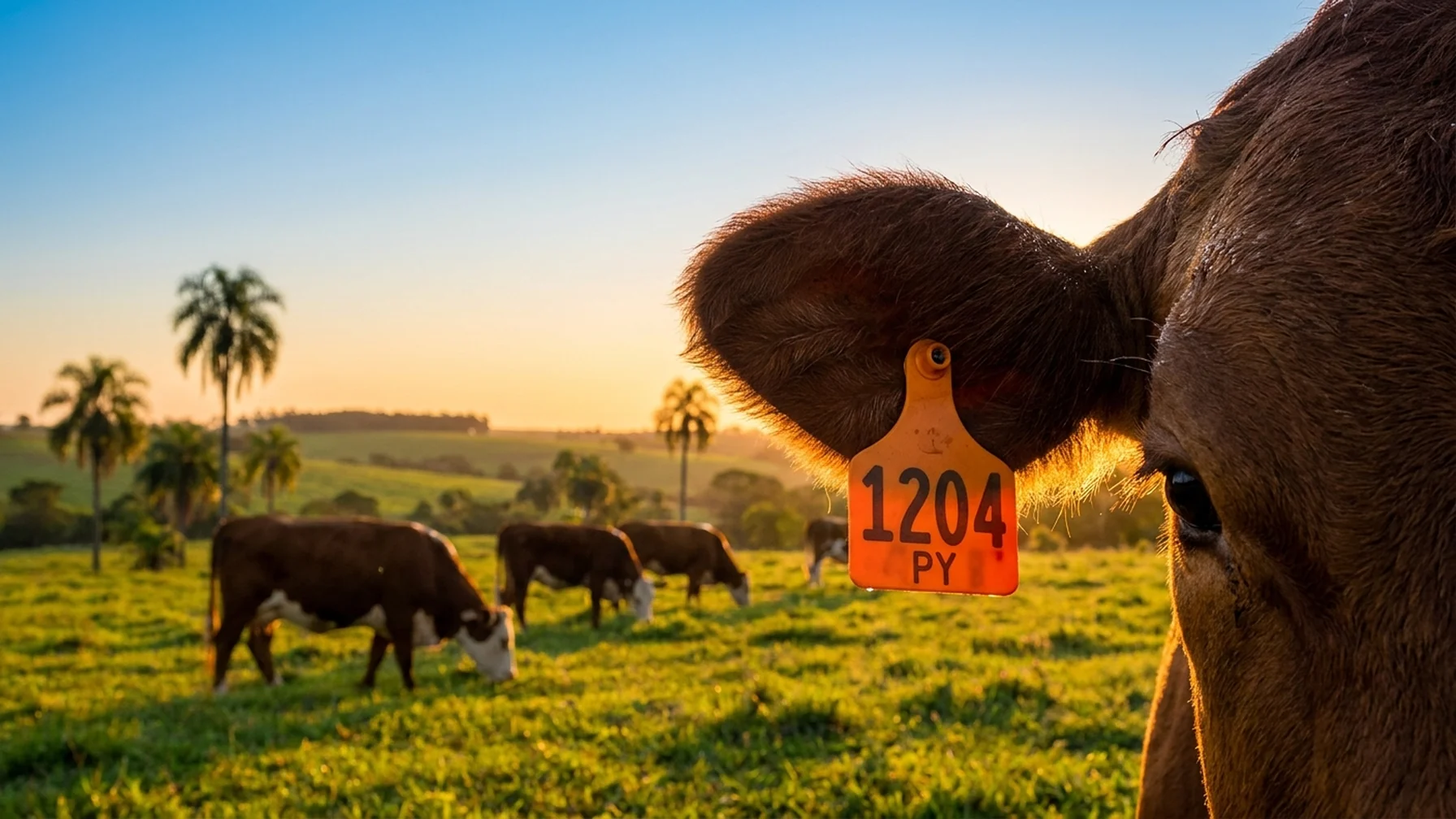
Cattle rustling, or theft, is a significant concern for farmers. To prevent this, implement security measures such as secure fencing and surveillance systems. Branding and ear tagging can also help identify and recover stolen cattle. Farmers in remote areas often collaborate with local authorities and neighboring farms to establish community watch programs, enhancing overall security.
Scenario: Community Security Initiatives
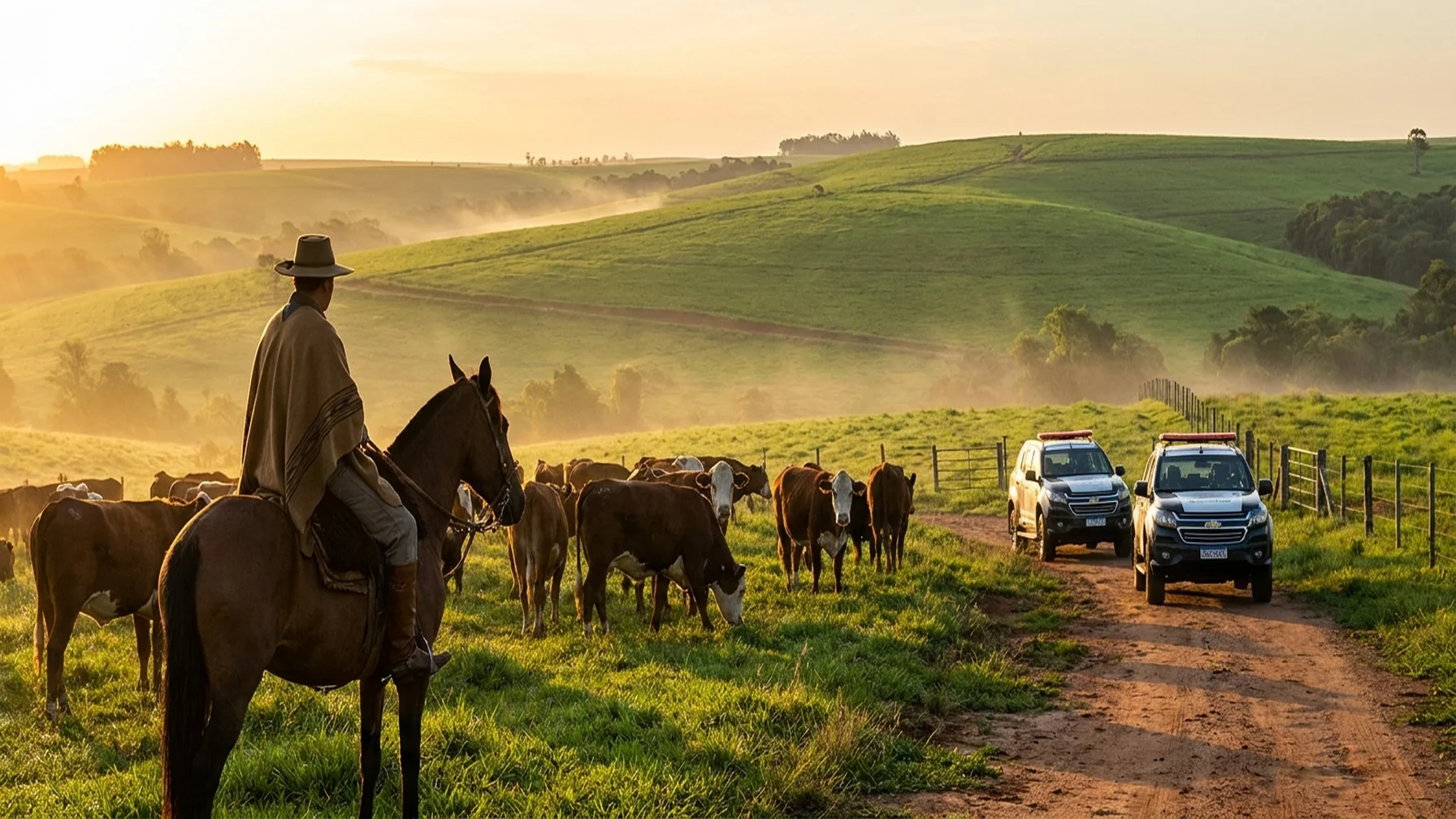
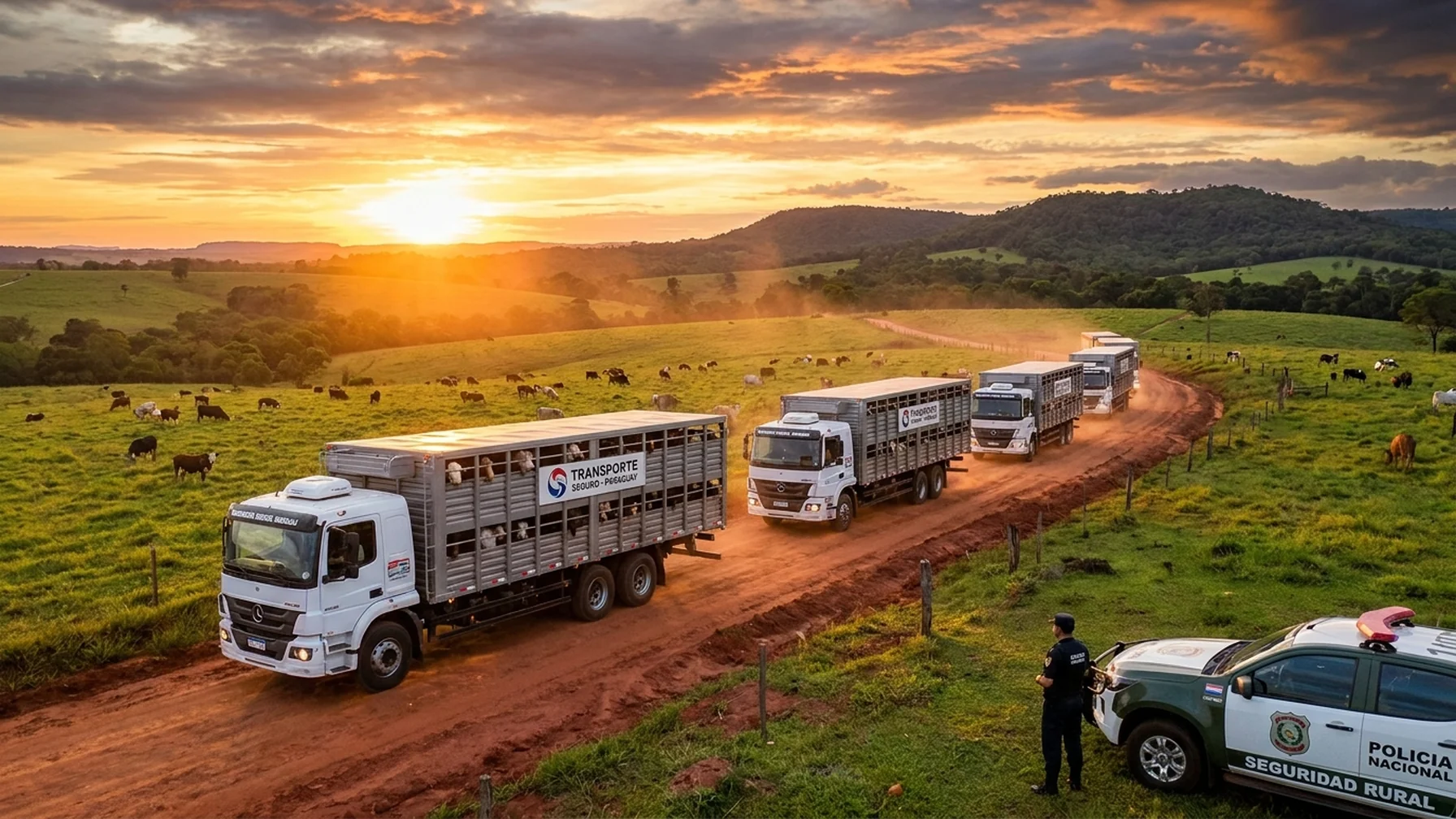
In a rural Paraguayan community, farmers formed a cooperative security group, sharing resources to patrol large farming areas. This initiative reduced cattle theft incidents by 30% in its first year, demonstrating the power of collective security efforts.
Securing Your Ranch: Essential Tips
Ensuring the safety of your cattle is paramount. Here are some essential tips to secure your ranch:
- Install strong fencing around your property.
- Use surveillance cameras to monitor activity.
- Maintain good relationships with neighbors for mutual security.
- Keep detailed records of your cattle, including branding and ear tags.
By following these security measures, you can reduce the risk of cattle theft and ensure the safety of your livestock. Additionally, integrating technology such as GPS tracking devices can provide real-time location data, further enhancing security measures.
Common Mistakes in Cattle Farming
New cattle farmers often make mistakes that can impact their operations. One common error is underestimating the importance of pasture management, leading to overgrazing and poor cattle nutrition. Another mistake is neglecting biosecurity measures, which can result in disease outbreaks. To avoid these pitfalls, regularly assess pasture conditions and adhere to strict hygiene practices. Investing in farmer education programs can provide valuable knowledge to prevent these common mistakes.
Scenario: Avoiding Common Mistakes
A beginner farmer in Paraguay faced issues with underweight cattle due to overgrazed pastures. By consulting with local agricultural experts, he implemented a rotational grazing system, which improved pasture quality and cattle health dramatically.
By understanding these aspects of cattle farming, you can make informed decisions and establish a successful and secure cattle farm in Paraguay. Whether you're a beginner or looking to improve your current operations, these insights will guide you in the right direction.