Ensuring Safe Cattle Transport in Paraguay
Contents
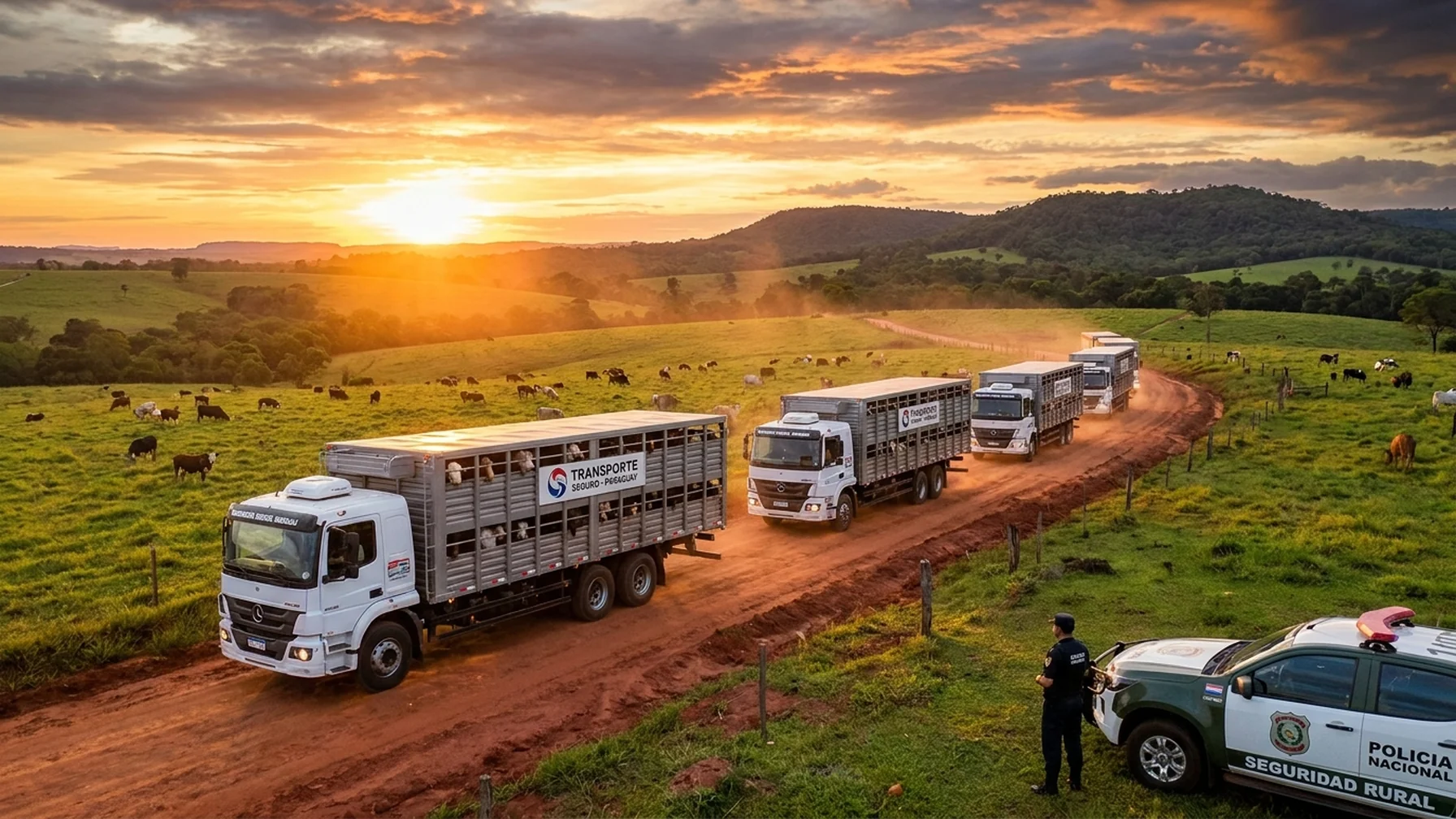
Transporting cattle safely is crucial for farmers and ranchers in Paraguay. Proper cattle transportation not only ensures the well-being of the animals but also aligns with regulations and promotes efficient livestock management. Paraguay, with its expansive landscapes and thriving cattle industry, requires stringent measures to maintain the quality and safety of cattle during transport. This guide will explore essential aspects of raising cattle, preventing theft, and ensuring secure transport in Paraguay, offering insights into best practices and common pitfalls to avoid. By understanding the unique challenges and opportunities present in Paraguay, ranchers can optimize their cattle transport strategies and contribute to a more sustainable livestock industry.
Understanding Cattle Breeds and Their Needs
Different cattle breeds have unique characteristics, affecting how they should be raised and transported. Popular beef cattle breeds in Paraguay include Brahman, Nelore, and Braford. These breeds are well-suited to the local climate and conditions. Understanding the specific needs of each breed helps in planning their transport, ensuring their safety and comfort.
For example, Brahman cattle are known for their resilience in hot climates, which is beneficial during transport in warmer months. Meanwhile, Nelore cattle, with their heat tolerance and adaptability, require less frequent stops for water and rest. Recognizing these breed-specific needs can make a significant difference in managing cattle transport effectively.
Safe Cattle Transport: Best Practices
Ensuring the safety and health of cattle during transport is crucial for both animal welfare and economic reasons. By adhering to certain practices, transporters can significantly reduce risks and improve outcomes. Below is an ordered list of best practices to consider:
- Ensure vehicles are clean and well-ventilated.
- Load and unload cattle calmly to minimize stress.
- Avoid overcrowding in transport vehicles.
- Plan transport routes to minimize travel time.
- Monitor cattle for signs of stress or injury during travel.
Following these practices helps ensure that cattle arrive at their destination safely and in good health. A study from a Paraguayan transport company showed that adherence to these practices reduced cattle mortality rates during transit by 50%, highlighting their effectiveness.
Essential Practices for Safe Cattle Transport in Paraguay
El transporte seguro de ganado en Paraguay es fundamental para garantizar el bienestar animal y la calidad de los productos derivados. A continuación, se presenta una tabla que resume las mejores prácticas y requisitos para asegurar un transporte adecuado.
Here is a concise table summarizing key practices for safe cattle transport:
| Practice | Description |
|---|---|
| Vehicle Conditions | Ensure trucks are clean, free of debris, and have adequate ventilation. |
| Adequate Space | Provide enough space for animals to move and maintain a comfortable posture during the journey. |
| Monitoring During Transit | Regularly check animal conditions and watch for signs of stress. |
| Feeding and Hydration | Offer proper nutrition and water access before and after transport. |
The table above highlights various practices that are essential for the safe transport of cattle, which not only protects the animals but also helps maintain the quality of meat products in the market. By adhering to these guidelines, transporters can minimize the risk of injuries and stress in cattle during transit.
Feeding Cattle: What Do Cows Eat?
Cattle primarily feed on grass and hay, but their diet can be supplemented with grains and minerals for better health and productivity. Before transport, ensuring cattle are well-fed with adequate nutrients is vital to reduce stress during the journey. For instance, a case study showed that cattle provided with a balanced diet before transport had significantly lower stress levels and better overall health upon arrival. Supplementing with high-energy grains can also help maintain cattle condition during longer journeys.
Setting Up a Cattle Farm: Beginner's Guide
Starting a cattle farm involves careful planning. Key steps include selecting a suitable location, acquiring the right breeds, and understanding how many acres per cow are needed. Typically, one cow requires about two acres of pasture. Proper infrastructure, like secure fencing, is essential to protect livestock and facilitate transport.
A successful case of a new cattle farm in Paraguay highlighted the importance of investing in high-quality fencing to prevent cattle from escaping, which is crucial during transport preparation.
Understanding and Preventing Cattle Rustling
Cattle rustling, or theft, is a concern for ranchers. To prevent theft, measures such as branding cattle, using cattle ear tags, and implementing ranch security tips are crucial. Branding not only helps identify cattle but also deters thieves. In a real-world scenario, a ranch in Paraguay reduced theft incidents by 70% after implementing a comprehensive security system that included surveillance cameras and regular patrols.
Caring for Cattle: Health and Vaccination
Maintaining cattle health is critical, especially before transport. A regular vaccination schedule prevents common cattle diseases and ensures animals are fit for travel. Regular health checks and vaccinations reduce the risk of disease transmission during transport. A rancher in Paraguay reported a significant decrease in cattle illnesses after adhering to a strict vaccination protocol, demonstrating the importance of health management in transport safety.
Building Secure Cattle Fences
Constructing strong, secure cattle fences is an essential part of cattle farm management. Fences prevent cattle from wandering off and protect them from potential threats. Using durable materials and regular maintenance ensures the longevity and effectiveness of fences. In a notable example, a rancher's investment in high-tensile wire fencing significantly reduced escape incidents and improved overall herd management.
Cost of Raising Cattle in Paraguay
The cost of cattle varies based on breed, age, and location. Understanding these costs helps in budgeting for transport and other cattle farming needs. Keeping track of expenses ensures efficient farm management and profitability. A financial analysis of cattle farms in Paraguay revealed that strategic budgeting and cost management led to a 15% increase in profit margins over two years.
Monitoring and Identifying Cattle
Using cattle ear tags helps in identifying and tracking individual animals. These tags provide essential information such as age, breed, and vaccination status. Proper identification is crucial for managing cattle health and transport logistics. One case study highlighted a ranch that improved its inventory accuracy by 30% using RFID-enabled ear tags, streamlining transport operations significantly.
By focusing on these aspects of cattle farming and transport, ranchers in Paraguay can ensure the safety and well-being of their livestock. Implementing these strategies enhances productivity and aligns with industry standards, fostering a secure and efficient cattle farming operation.