Caring for Cattle: Essential Tips for Cattle Farmers
Contents
Caring for cattle effectively is crucial for successful cattle farming. Understanding the fundamentals of raising cattle, selecting the right breeds, and implementing security measures can make a significant difference. This guide provides insights into essential aspects such as cattle breeds, diet, farming setup, and protection against theft. Ensuring the well-being of cattle involves providing a balanced diet, proper healthcare, and secure living conditions. Addressing challenges like cattle rustling is also paramount in safeguarding your investment. Let's delve into the key elements of cattle care and explore strategies that can enhance your farming operations.
Choosing the Right Cattle Breeds
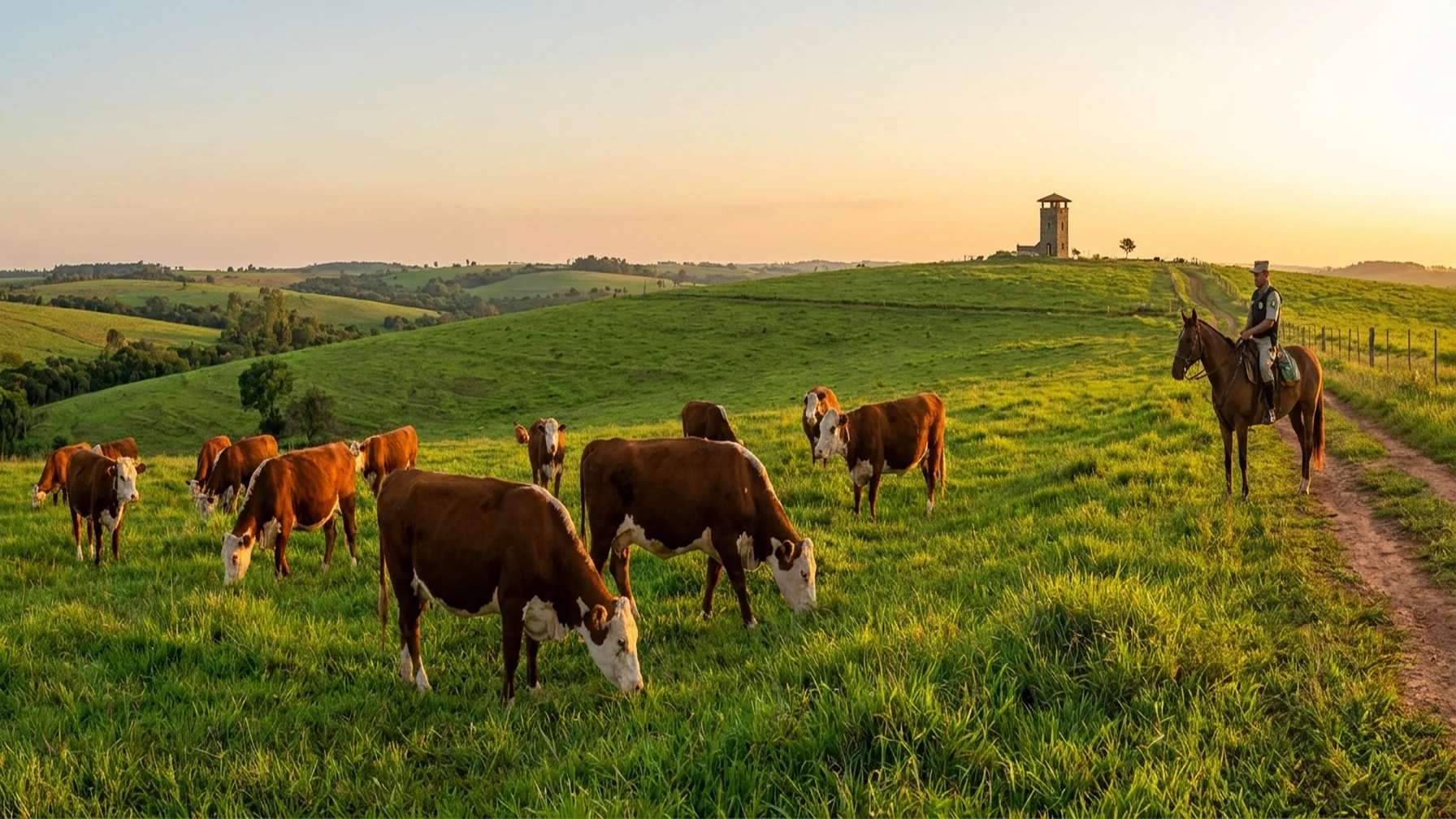
Selecting suitable cattle breeds is the foundation of a successful cattle farm. Considerations such as resistance to diseases, growth rate, and beef quality should guide your choice. For instance, Brahman cattle are known for their heat tolerance, which is beneficial in warmer climates. Similarly, Herefords are renowned for their docile nature and high-quality beef. By understanding these breed-specific traits, farmers can make informed decisions that align with their farming goals.
Understanding the specific needs and characteristics of different breeds helps ensure your cattle thrive in their environment. Here's a summary of key care aspects for maintaining cattle health and well-being:
| Care Aspect | Description |
|---|---|
| Feeding | Ensure a balanced diet rich in nutrients, vitamins, and minerals for optimal growth. |
| Hygiene | Maintain a clean environment free from diseases and perform regular disinfection. |
| Health | Conduct regular veterinary check-ups and keep vaccination records. |
| Exercise | Provide ample space for cattle to move, promoting physical and emotional well-being. |
| Reproduction | Monitor reproductive cycles and ensure proper conditions for breeding and young cattle care. |
This table provides a clear overview of the fundamental elements to consider in cattle management, highlighting the importance of each for efficient and sustainable livestock production.
Understanding Cattle Diet
Cattle require a balanced diet to maintain health and productivity. Their diet primarily consists of grass, hay, and silage. Supplementing with grains, minerals, and vitamins ensures they receive all necessary nutrients. Adequate water supply is also crucial, as cattle need plenty of water daily. For example, providing silage made from corn during dry seasons can ensure a steady nutrient supply. Regularly consulting with a nutritionist can help tailor diets to meet the specific needs of your cattle.
Steps to Start a Cattle Farm
Starting a cattle farm involves careful planning and investment. Here are the basic steps:
- Secure adequate land; typically, one cow requires about 1.5 to 2 acres of pasture.
- Build basic infrastructure such as barns and shelters.
- Purchase cattle, considering both breed and age.
- Factor in additional costs like feed, healthcare, and maintenance.
- Start with a small herd and gradually expand as resources grow.
Initial investments in quality infrastructure and livestock can lead to long-term profitability. Proper planning ensures that your farm is set up for success from the start.
Understanding and Preventing Cattle Rustling
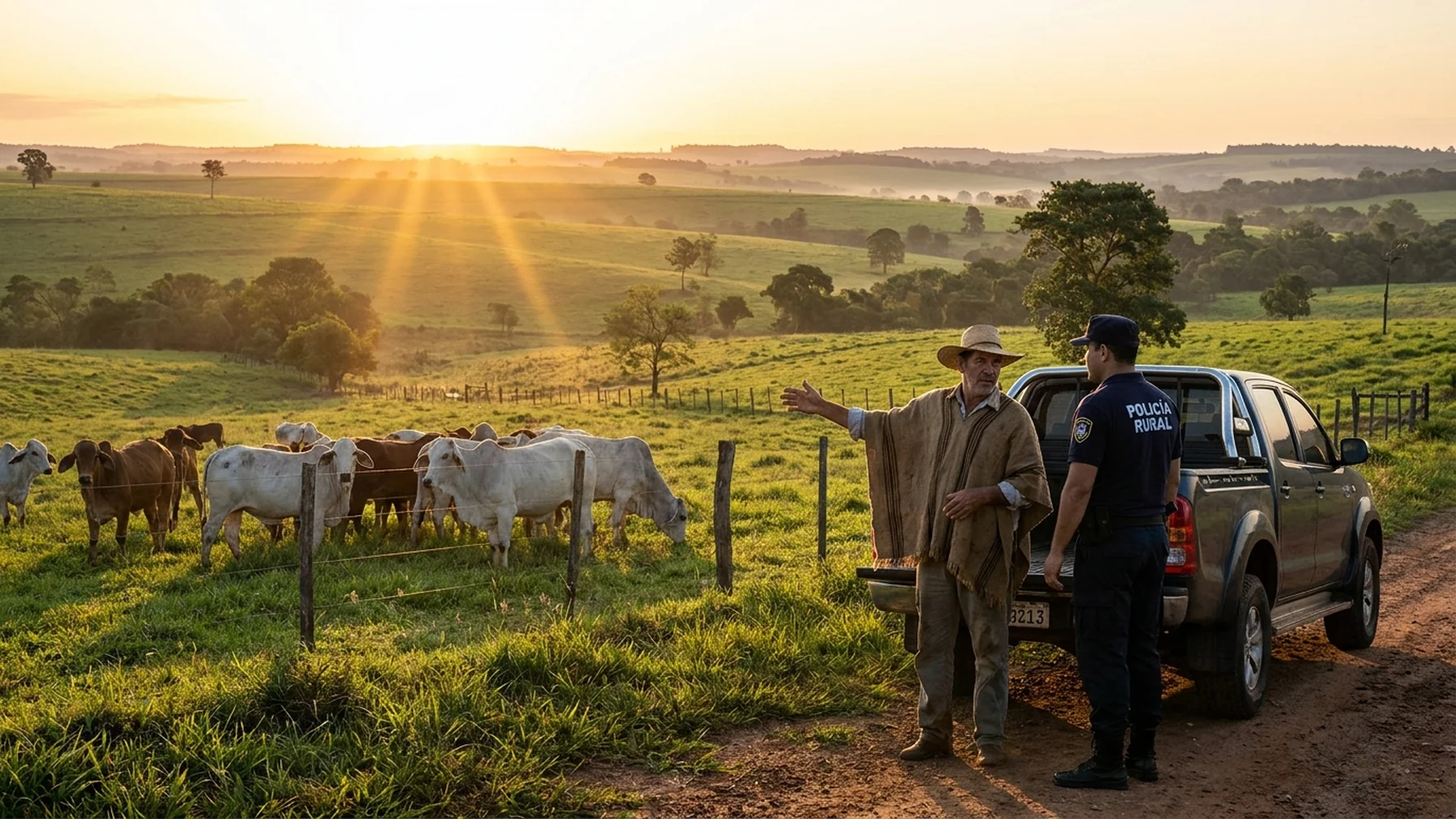
Cattle rustling, or theft, is a concern in rural areas. Preventing cattle rustling involves several strategies:
- Regularly patrol the farm and maintain a visible presence.
- Install security cameras and proper lighting around the property.
- Keep detailed records of cattle numbers and characteristics.
- Brand cattle and use ear tags for easy identification.
These measures help deter thieves and make it easier to recover stolen livestock. Forming community watch groups with neighboring farmers can enhance vigilance and response to potential threats.
Vaccination and Disease Prevention
Diseases can severely impact cattle health and farm productivity. A proper vaccination schedule is essential to prevent common cattle diseases. Consult a veterinarian to establish a vaccination plan tailored to your herd's needs. Regular health check-ups and monitoring are critical in catching early signs of illness, minimizing the impact on the herd.
Building Secure Cattle Fences
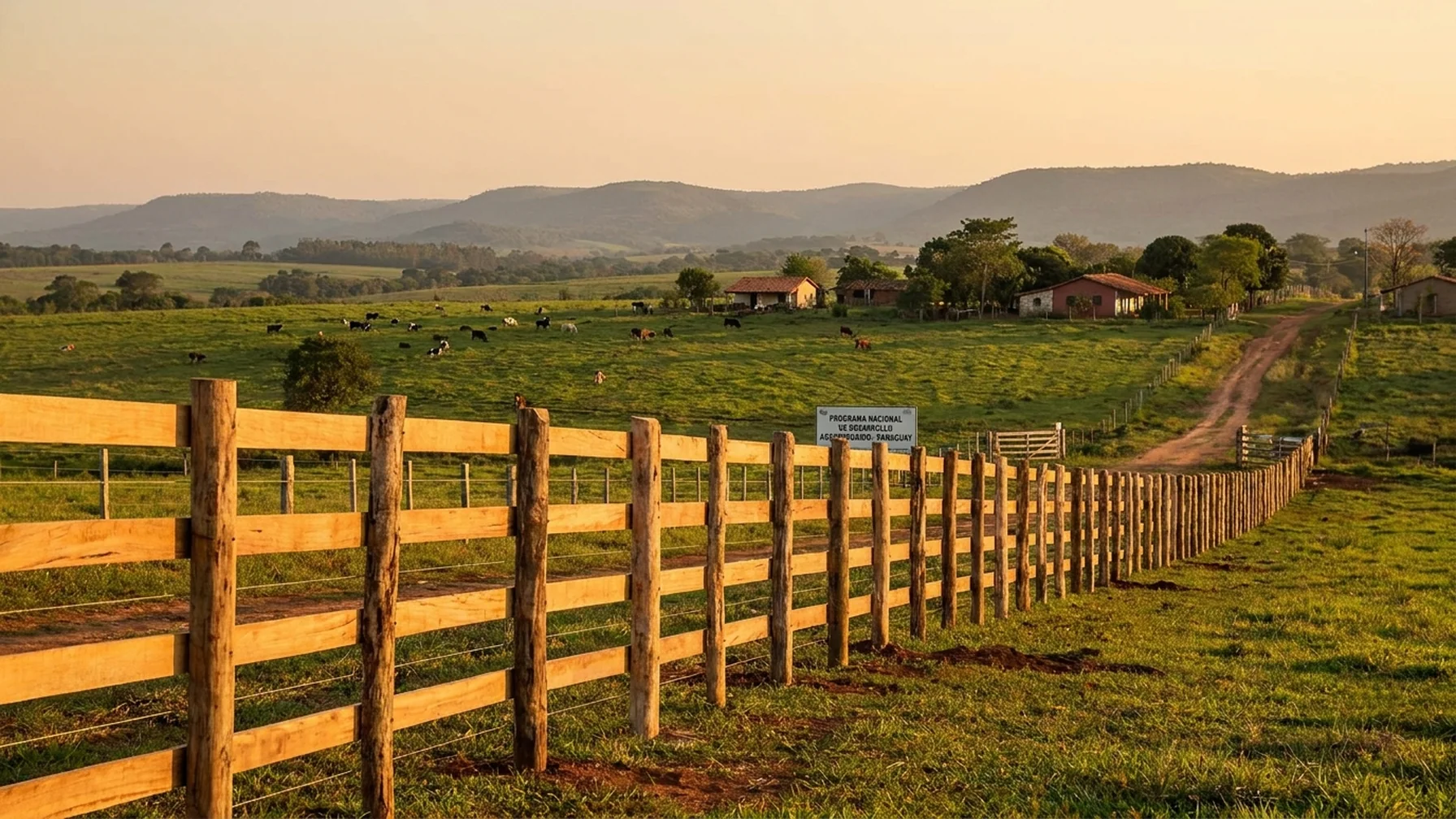
Secure fencing is vital to protect cattle from wandering off and from predators. Barbed wire fences are common, but consider adding wooden or electric fences for added security. Ensure fences are regularly inspected and maintained. Regular maintenance checks ensure the integrity of the fences, preventing costly breaches and losses.
Transporting Cattle Safely
Transporting cattle requires careful handling to prevent stress and injury. Use well-ventilated trailers and ensure they are not overcrowded. Plan transport routes to minimize travel time and check local regulations regarding cattle transport. Proper planning reduces stress, which can impact cattle health and meat quality.
Tips for Ranch Security and Livestock Protection
Beyond fencing, consider these additional security tips to protect your livestock:
- Join local farmer networks to stay informed about regional threats.
- Train dogs to guard the property and alert you to intruders.
- Conduct regular headcounts to quickly identify missing cattle.
These practices foster a safer environment for both cattle and farmers, reducing losses from theft and predation.
Conclusion: Effective Cattle Care and Security
Caring for cattle involves understanding their needs, implementing effective security measures, and staying vigilant against threats like theft and disease. By choosing the right breeds, ensuring a balanced diet, and protecting your farm, you can ensure the health and productivity of your cattle farm. Implementing these strategies not only safeguards your investment but also contributes to a sustainable and successful farming operation.