Bovine Vaccination Schedule in Paraguay: A Comprehensive Guide
Contents
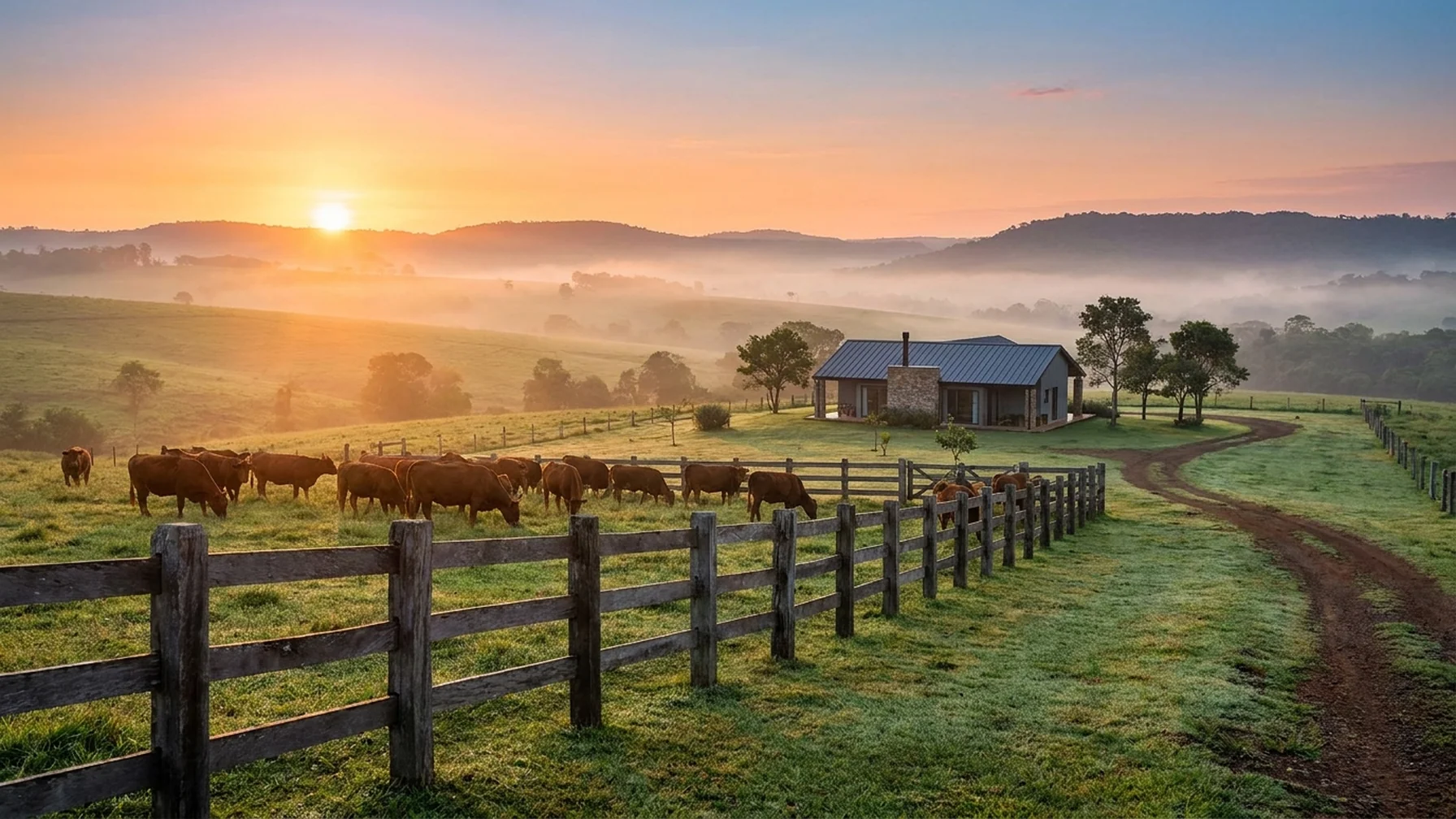
For cattle farmers in Paraguay, understanding the bovine vaccination schedule is crucial to maintaining healthy livestock. Vaccinations are a key component of cattle care, helping prevent diseases that can significantly impact productivity and safety. This guide will explore the essential aspects of cattle farming, including breeds, feeding, security, and more, with a focus on the Paraguayan context.
Key Cattle Breeds in Paraguay
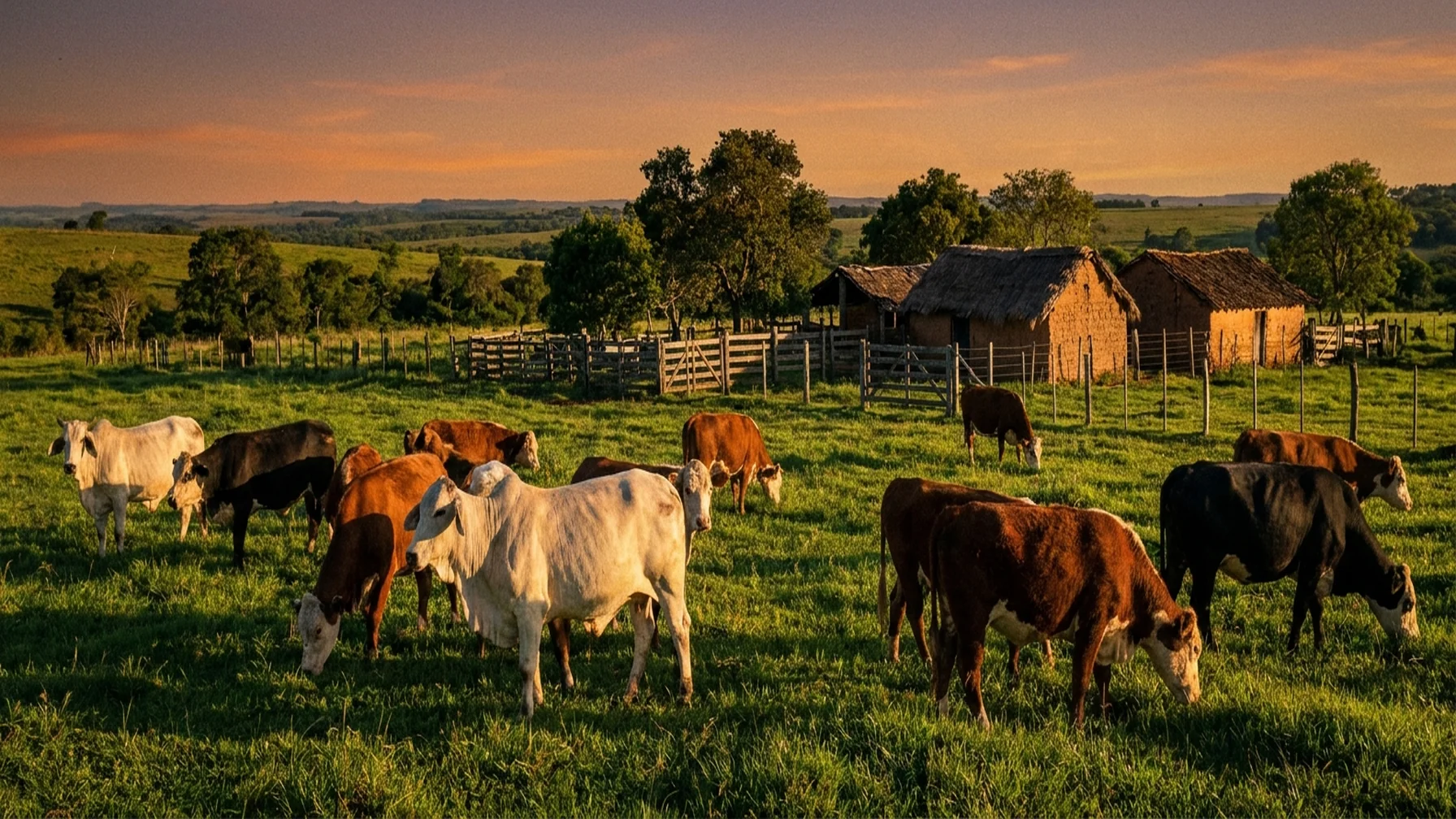
Paraguay boasts a variety of cattle breeds, each with unique characteristics suited to different farming needs. The most common breeds include:
- Brahman: Known for its heat tolerance and adaptability, making it ideal for Paraguay's climate.
- Nelore: Popular for beef production due to its hardiness and resistance to parasites.
- Brangus: A cross between Brahman and Angus, offering both heat resistance and quality beef.
Choosing the right breed depends on your farming objectives, whether it's dairy, beef, or dual-purpose production.
Feeding and Nutrition for Cattle
Proper nutrition is essential for cattle health and productivity. In Paraguay, cattle primarily graze on native grasses, but supplementary feeding is often necessary. Common supplements include:
- Hay: Provides essential roughage, especially during dry seasons.
- Grain: Offers additional energy and protein, crucial for growing and lactating cattle.
- Mineral Blocks: Ensure cattle receive necessary minerals like calcium and phosphorus.
A balanced diet supports growth, reproduction, and disease resistance, making it a cornerstone of effective cattle management.
Starting a Cattle Farm in Paraguay
Starting a cattle farm involves careful planning and investment. Key steps include:
- Land Acquisition: Secure sufficient acreage; generally, 2-3 acres per cow is recommended.
- Infrastructure Setup: Build fences, water sources, and shelters to protect and manage cattle.
- Breed Selection: Choose breeds based on climate adaptability and market demand.
- Health Management: Establish a vaccination and health check schedule.
A well-structured plan ensures efficient operations and sustainable growth in the cattle farming business.
Understanding Cattle Diseases and Vaccination
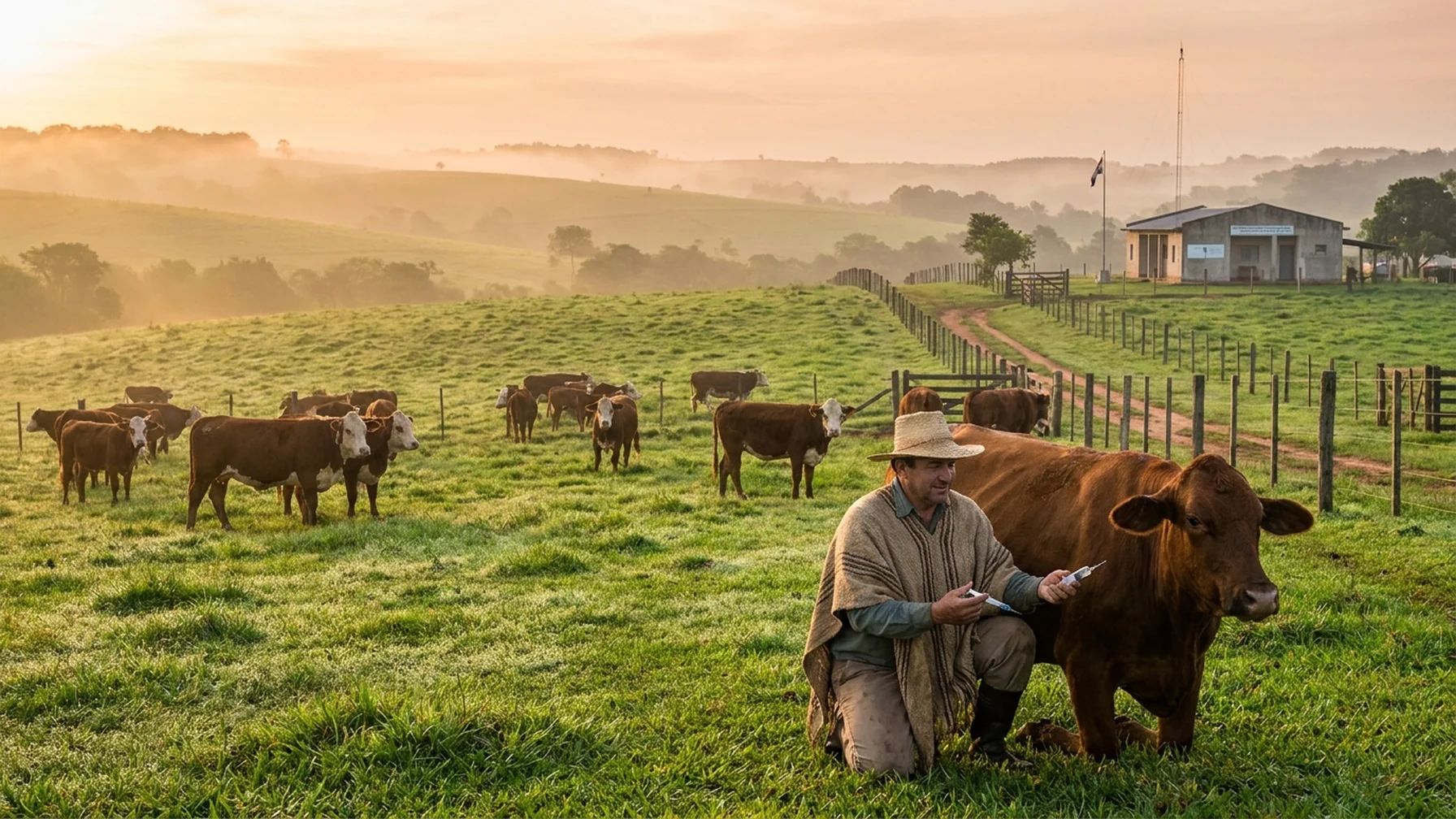
Cattle are susceptible to various diseases that can affect herd health and productivity. Common diseases include foot-and-mouth disease, brucellosis, and bovine respiratory disease. Vaccination is a vital preventive measure. The bovine vaccination schedule in Paraguay typically includes:
- Foot-and-Mouth Disease: Biannual vaccinations are required by the government.
- Brucellosis: Vaccinate heifers between 3-8 months of age.
- Bovine Respiratory Disease: Administer vaccines as recommended by a veterinarian.
Adhering to a vaccination schedule not only protects livestock but also enhances herd immunity, reducing the risk of outbreaks.
Preventing Cattle Rustling
Cattle rustling, or livestock theft, is a significant concern for farmers. Implementing security measures can help protect your herd. Consider the following tips:
- Branding: Permanently marks cattle, making them identifiable and deterring theft.
- Secure Fencing: Use sturdy materials and ensure regular maintenance to prevent unauthorized access.
- Surveillance Systems: Install cameras and alarms to monitor and protect your property.
Effective security strategies not only safeguard livestock but also provide peace of mind for farmers.
Ranch Security and Livestock Protection
Beyond preventing theft, maintaining overall ranch security is essential for livestock protection. Consider these practices:
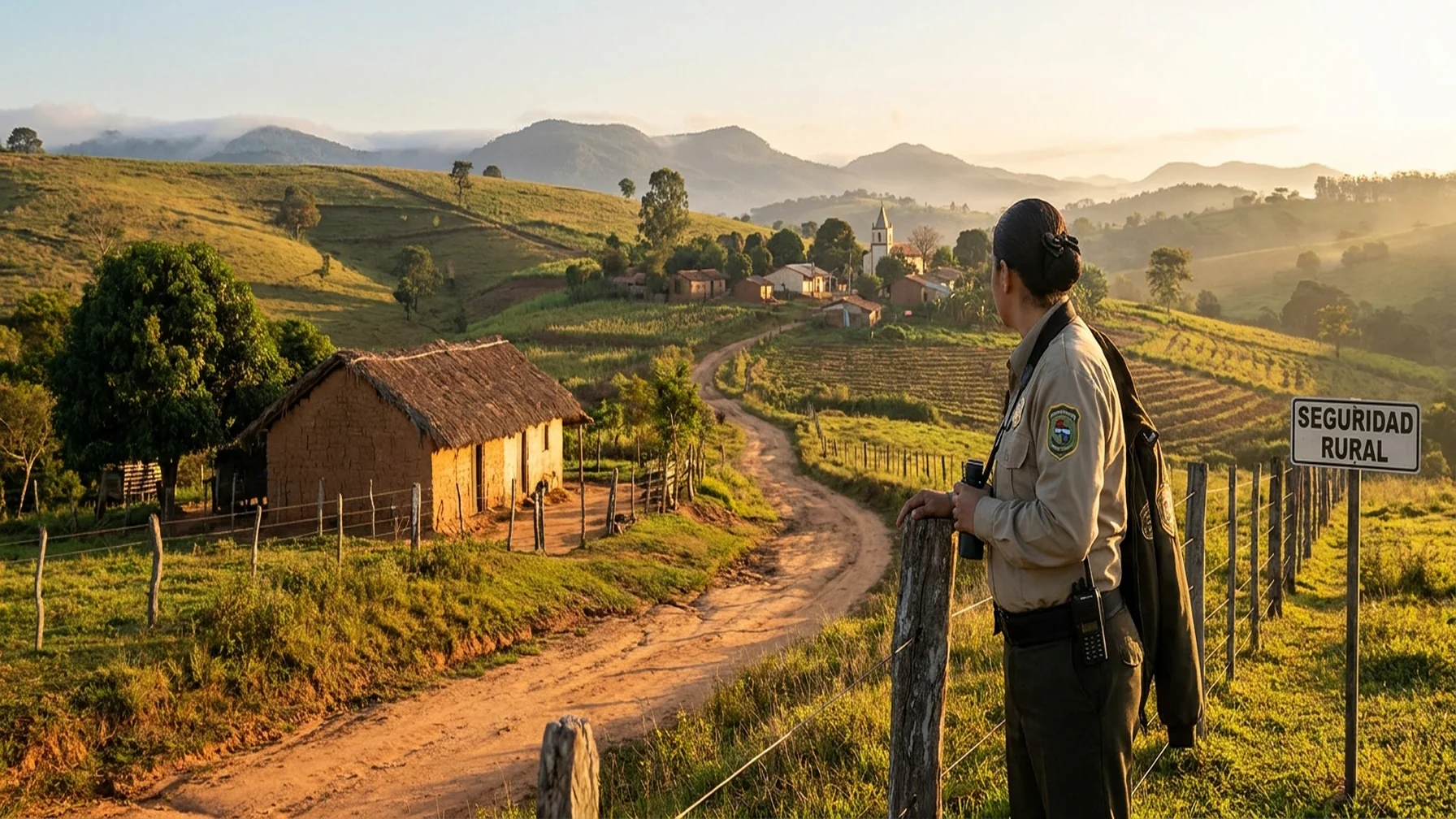
- Regular Patrols: Conduct frequent checks around the perimeter and within the ranch.
- Community Watch Programs: Collaborate with neighboring farms to monitor suspicious activities.
- Emergency Plans: Develop protocols for responding to natural disasters or disease outbreaks.
By prioritizing security, farmers can ensure a safe environment for their cattle, contributing to a stable and productive farming operation.
Conclusion: The Importance of a Vaccination Schedule
In conclusion, a well-maintained vaccination schedule is crucial for cattle health and farm success in Paraguay. By understanding the appropriate vaccines, feeding practices, and security measures, farmers can protect their herds effectively. This comprehensive approach not only enhances productivity but also ensures the sustainability of cattle farming in the region.