Identifying Cattle Breeds in Paraguay: A Guide for Farmers and Ranchers
Contents
The identification of cattle breeds in Paraguay is crucial for effective cattle farming and rural security. With over 12 million cattle in the country, understanding different breeds helps farmers manage their herds efficiently, ensuring the safety and productivity of their livestock. This guide will explore the identification of cattle breeds in Paraguay, management practices, and security measures to prevent theft and disease. By mastering these aspects, Paraguayan farmers can optimize their operations and improve overall farm sustainability.
Understanding Cattle Breeds in Paraguay
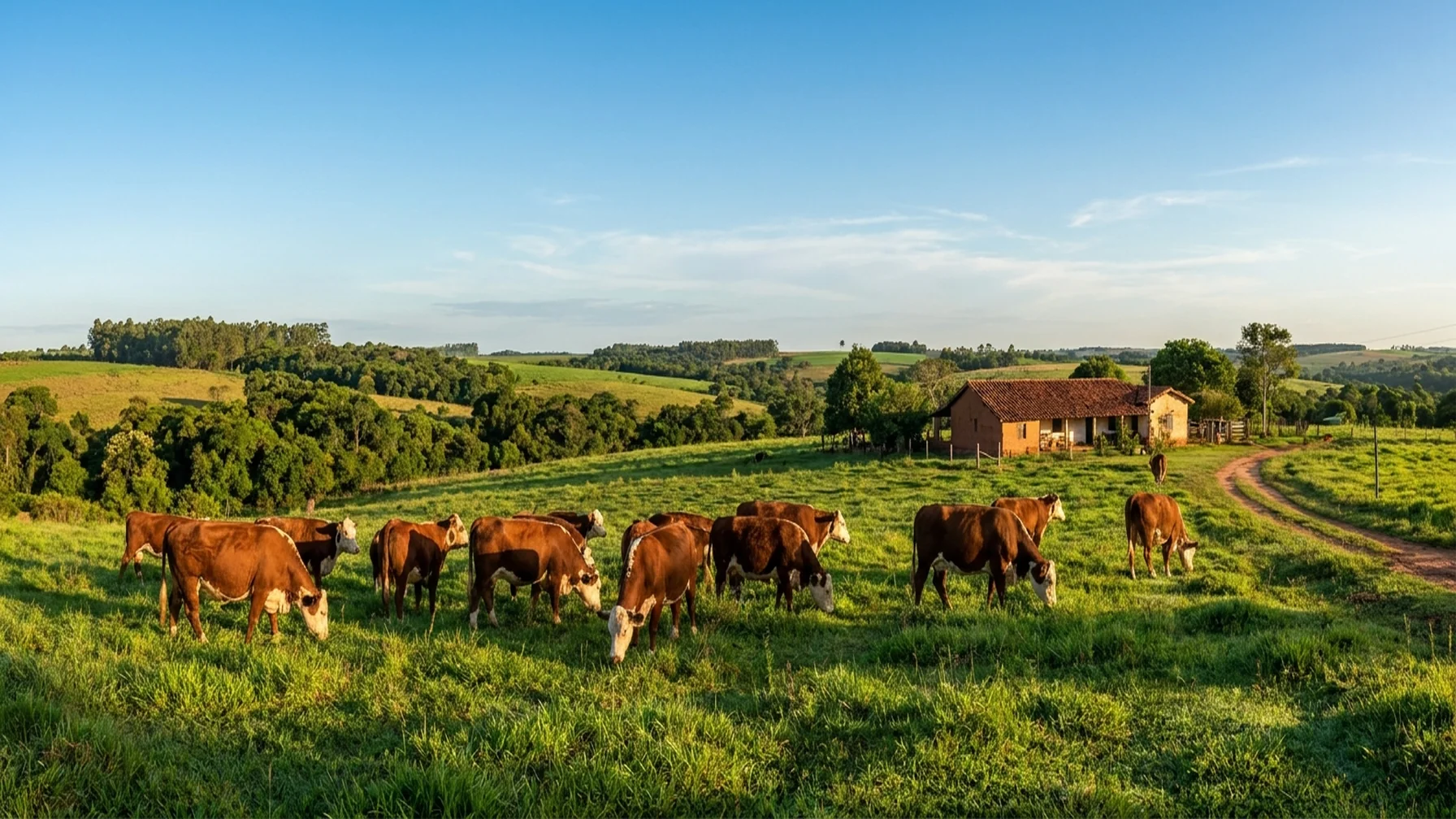
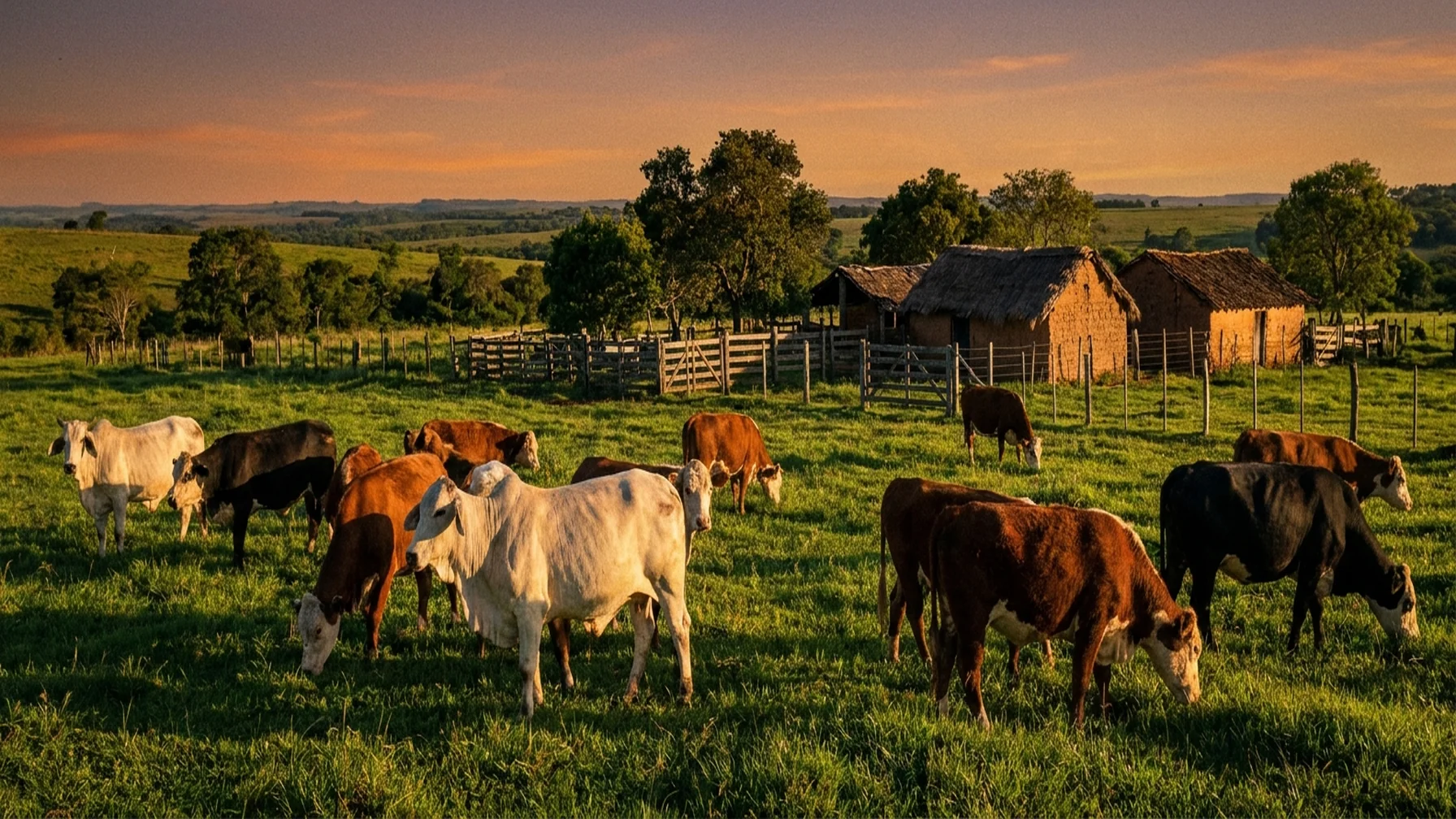
Paraguay is home to a variety of cattle breeds, each with unique characteristics suited to different farming needs. The most common breeds include Brahman, Hereford, and Nelore. These breeds are well adapted to the local climate and are known for their resilience and productivity. Additionally, breeds like Angus and Jersey are also present in smaller numbers, each bringing unique benefits to the table.
Common Cattle Breeds and Their Traits
Recognizing the traits of each breed helps farmers select the right cattle for their specific agricultural goals. Below is an unordered list of common breeds and their key characteristics:
- Brahman: Known for their heat tolerance and resistance to insects, Brahman cattle are ideal for the warm Paraguayan climate. They thrive on low-quality forage.
- Hereford: Valued for their high-quality beef and easy management. Known for their docile temperament and adaptability to various environments.
- Nelore: Popular for their adaptability and strong resistance to tropical diseases, a common sight in the Paraguayan cattle landscape.
- Angus: Prized for their superior meat quality and marbling, making them a choice breed for beef producers.
- Jersey: Known for their high butterfat content in milk, valuable for dairy farmers producing rich, creamy milk products.
Farmers focusing on high-grade beef might prioritize Angus or Hereford cattle, while those interested in dairy would benefit from Jerseys.
Effective Cattle Management
Raising cattle in Paraguay involves several key practices, from feeding to healthcare. Cattle primarily consume grass, but supplemental feed may be necessary during dry seasons or when nutritional needs increase. Establishing a regular vaccination schedule and monitoring for common diseases like foot-and-mouth disease are crucial. Effective management also includes regular deworming and hoof care to prevent lameness.
A table summarizing key cattle management practices is shown below:
| Practice | Description |
|---|---|
| Feeding | Primarily grass with supplemental feed during dry seasons |
| Healthcare | Regular vaccinations and disease monitoring |
| Deworming | Routine deworming to prevent parasitic infections |
| Hoof Care | Regular maintenance to prevent lameness |
Case Study: A Paraguayan farmer increased his herd's productivity by implementing a rotational grazing system. By dividing his pasture into sections and moving cattle regularly, he improved pasture health and cattle nutrition.
Steps for Identifying Cattle Breeds
Identifying cattle breeds in Paraguay is essential for enhancing livestock production. The following ordered list outlines the steps for effective identification:
- Research common cattle breeds in Paraguay, such as Brahman, Hereford, and Beefmaster.
- Observe physical characteristics, including size, color, and ear and horn shape.
- Consult with local ranchers and cattle experts to confirm identification and obtain additional insights.
Following these steps ensures accurate identification, crucial for optimizing livestock management and production.
Starting a Cattle Farm in Paraguay
For beginners, starting a cattle farm requires careful planning. Key considerations include selecting the right breed, understanding dietary needs, and setting up proper infrastructure. Adequate land is necessary, typically one acre per cow. It's also essential to build sturdy fences to contain and protect cattle. Consider the availability of water sources and shelter to protect cattle from extreme weather conditions.
Example: A new farmer in the Chaco region started with Brahman cattle due to their suitability for the hot climate. By ensuring adequate shade and water, the farmer maintained a healthy herd that thrived despite challenging conditions.
Preventing Cattle Theft
Cattle rustling is a significant concern for farmers in Paraguay. To prevent theft, ranchers should implement several security measures, as outlined below:
- Install strong perimeter fences.
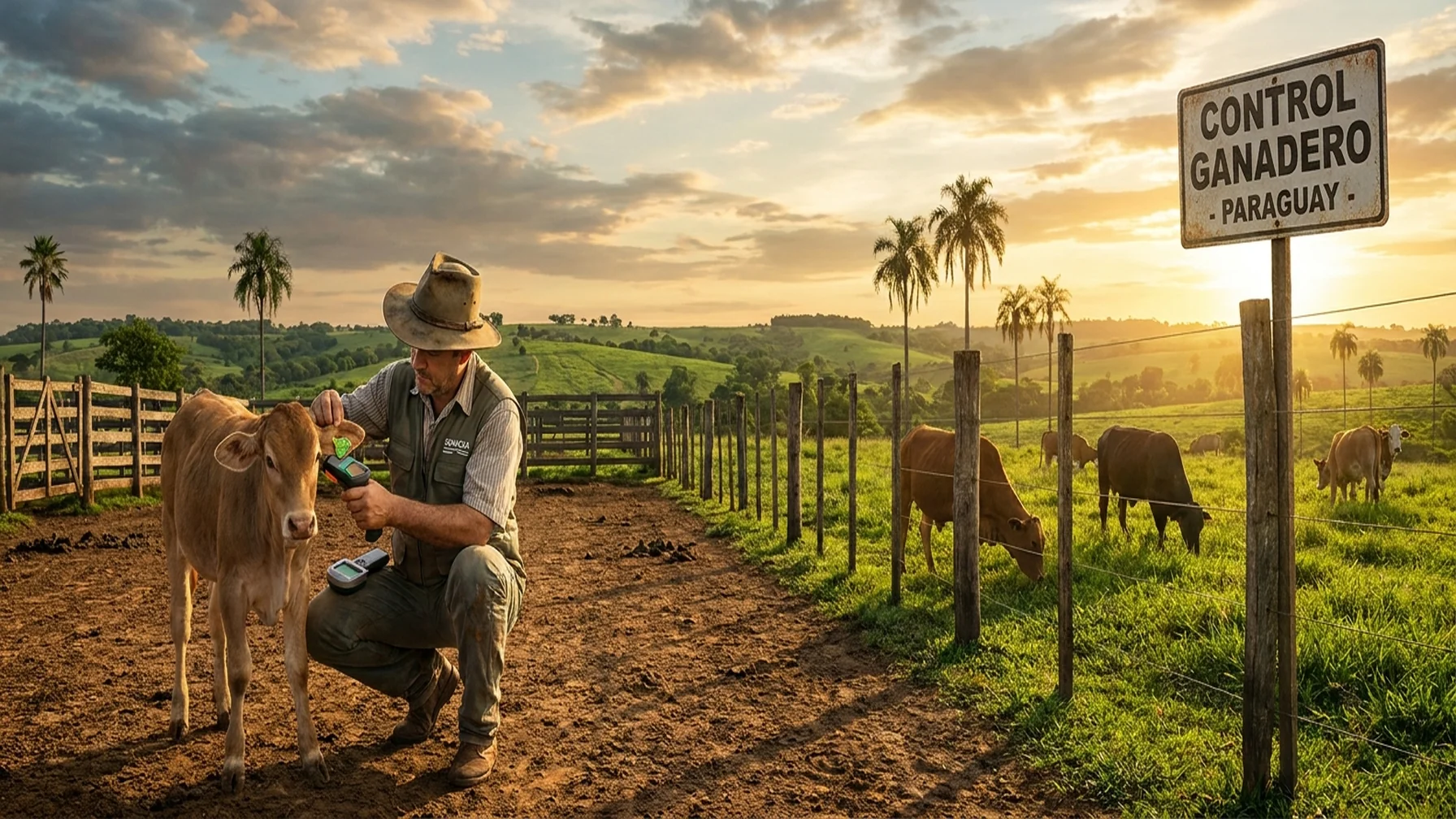
- Use cattle ear tags for identification and tracking.
- Regularly inspect and maintain fences and gates.
- Employ security personnel or surveillance systems.
- Brand cattle to deter thieves and establish ownership.
Combining these strategies can significantly reduce the risk of cattle theft and enhance farm security. A rancher in Eastern Paraguay successfully deterred theft by installing motion-activated lights and cameras, which alerted him to unauthorized movement at night.
Branding and Tagging for Identification
Branding is a traditional method of marking cattle for identification, involving marking cattle with a unique symbol signifying ownership. Ear tags provide a modern method, offering a simple way to track and manage individual animals. These tags can include information such as breed, age, and vaccination history. RFID technology is also becoming popular, allowing for more efficient herd management and record-keeping.
Example: A large-scale ranch in Paraguay implemented RFID tagging for their herd, allowing real-time monitoring and management, significantly improving operational efficiency and reducing labor costs.
Transporting and Caring for Cattle
Transporting cattle safely requires proper planning. Use well-maintained trailers and ensure the animals are secure during transit. Provide ample space, ventilation, and access to water. Regular care involves monitoring for health issues, providing appropriate nutrition, and ensuring access to clean water and shelter. Special attention during transport is essential to avoid stress, which affects cattle health and productivity.
Case Study: A cooperative of farmers in Paraguay pooled resources to purchase a state-of-the-art cattle trailer with enhanced ventilation and temperature control, reducing transport stress and resulting in healthier cattle upon arrival at markets.
Ranch Security Tips
Maintaining security on a ranch involves a combination of physical and procedural measures. Regular patrols, good lighting, and security cameras can deter potential thieves. Training staff to recognize and report suspicious activities is also vital. Additionally, maintaining strong relationships with local law enforcement can help in promptly addressing any security concerns. Participating in community watch programs can also increase vigilance and cooperation among local farmers.
Example: A ranch owner collaborated with neighboring farms to establish a community alert system, quickly communicating any suspicious activity, leading to a reduction in theft incidents in the area.
Conclusion
Identifying cattle breeds and managing them effectively is essential for successful cattle farming in Paraguay. By understanding the characteristics of different breeds, implementing robust security measures, and ensuring proper care and management, farmers can enhance productivity and protect their livestock from disease and theft. With careful planning and community cooperation, Paraguayan farmers can build a thriving cattle industry that supports their livelihoods and contributes to the nation's economy.