Essential Ranch Security Tips to Protect Your Cattle
Contents
Maintaining a secure environment on a ranch is crucial, especially in regions like Paraguay where cattle farming is a significant part of the economy. From understanding what cattle rustling is to implementing effective security measures, this guide will walk you through essential consejos de seguridad para ranchos to keep your livestock safe.
Understanding Cattle Rustling and Its Impact
Cattle rustling refers to the theft of cattle and is a major concern for ranchers. This illegal activity not only impacts the financial stability of a ranch but also affects overall productivity. Understanding the threat is the first step in preventing it.
Preventing Cattle Theft: Key Strategies
Implementing security measures can greatly reduce the risk of cattle theft. Here are some key strategies:
- Install Secure Fencing: Build sturdy cattle fences to deter unauthorized entry. Regularly inspect fences for any damage.
- Use Surveillance Systems: Set up cameras around the ranch to monitor activities and deter potential thieves.
- Brand Your Cattle: Branding helps in identifying your cattle and acts as a deterrent for thieves.
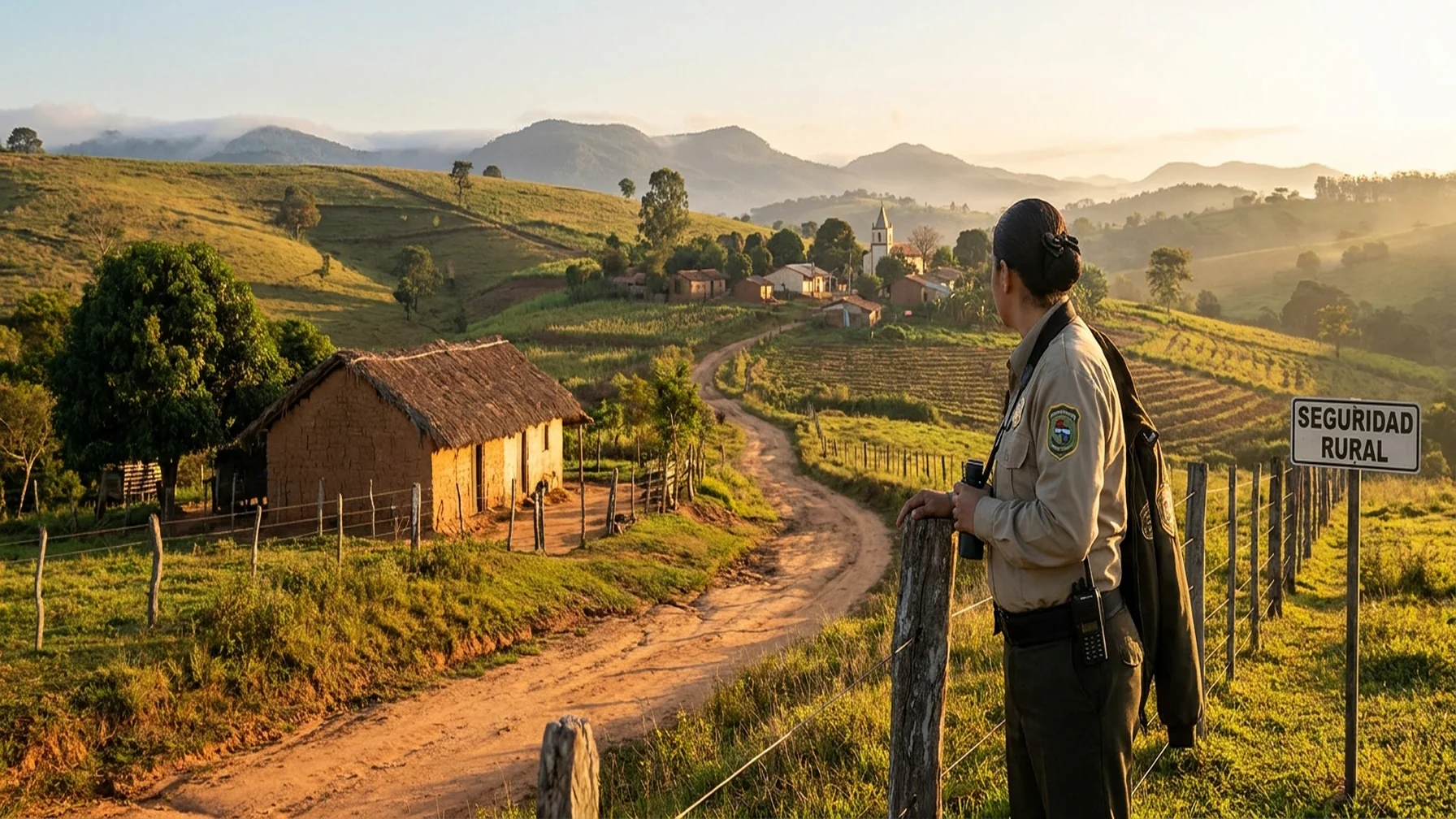
- Hire Security Personnel: Consider employing guards to monitor the ranch, especially during night hours.
- Community Watch Programs: Collaborate with neighboring ranches to establish a community watch system.
By actively implementing these strategies, you can significantly reduce the chances of cattle theft on your ranch.
Cattle Breeds and Their Importance
Choosing the right cattle breed is essential for a successful ranch. Beef cattle breeds like Angus, Hereford, and Brahman are popular choices due to their adaptability and meat quality. Each breed has its own set of characteristics that can influence your ranch's productivity.
Feeding and Caring for Cattle
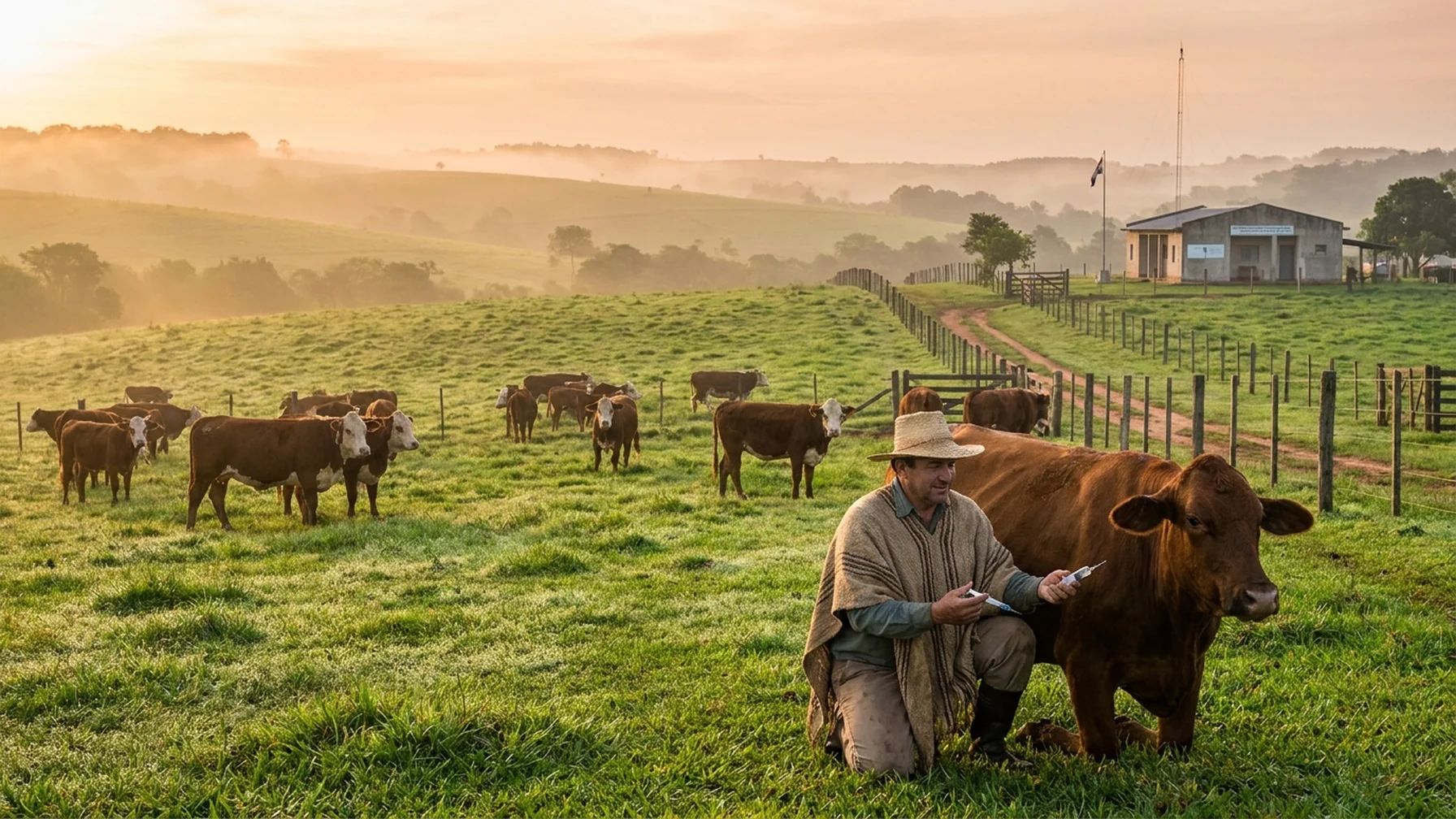
Understanding what cows eat and how to care for them is vital for their well-being. Cows primarily graze on grass, but supplemental feeding of grains and hay is often required to meet nutritional needs. Regular health check-ups and a proper cattle vaccination schedule are also crucial in preventing diseases.
Starting a Cattle Farm: A Beginner’s Guide
If you're new to cattle farming, here's a basic guide to get you started:
- Plan Your Farm: Determine the number of cattle and the space required. On average, you need one acre per cow.
- Select the Right Breeds: Choose breeds that are well-suited to your specific climate and goals.
- Build Necessary Infrastructure: Construct shelters, water sources, and secure fencing.
- Implement a Management Plan: Develop a routine for feeding, health checks, and monitoring.
Starting a cattle farm requires careful planning and management to ensure success and sustainability.
Protecting Livestock with Proper Identification
Cattle identification is critical for managing your herd and protecting your investment. Understanding cattle ear tags and how to use them helps in tracking and managing livestock efficiently. These tags provide essential information about each animal and can be crucial during veterinary visits or in case of theft.
Building a Cattle Fence: Key Considerations
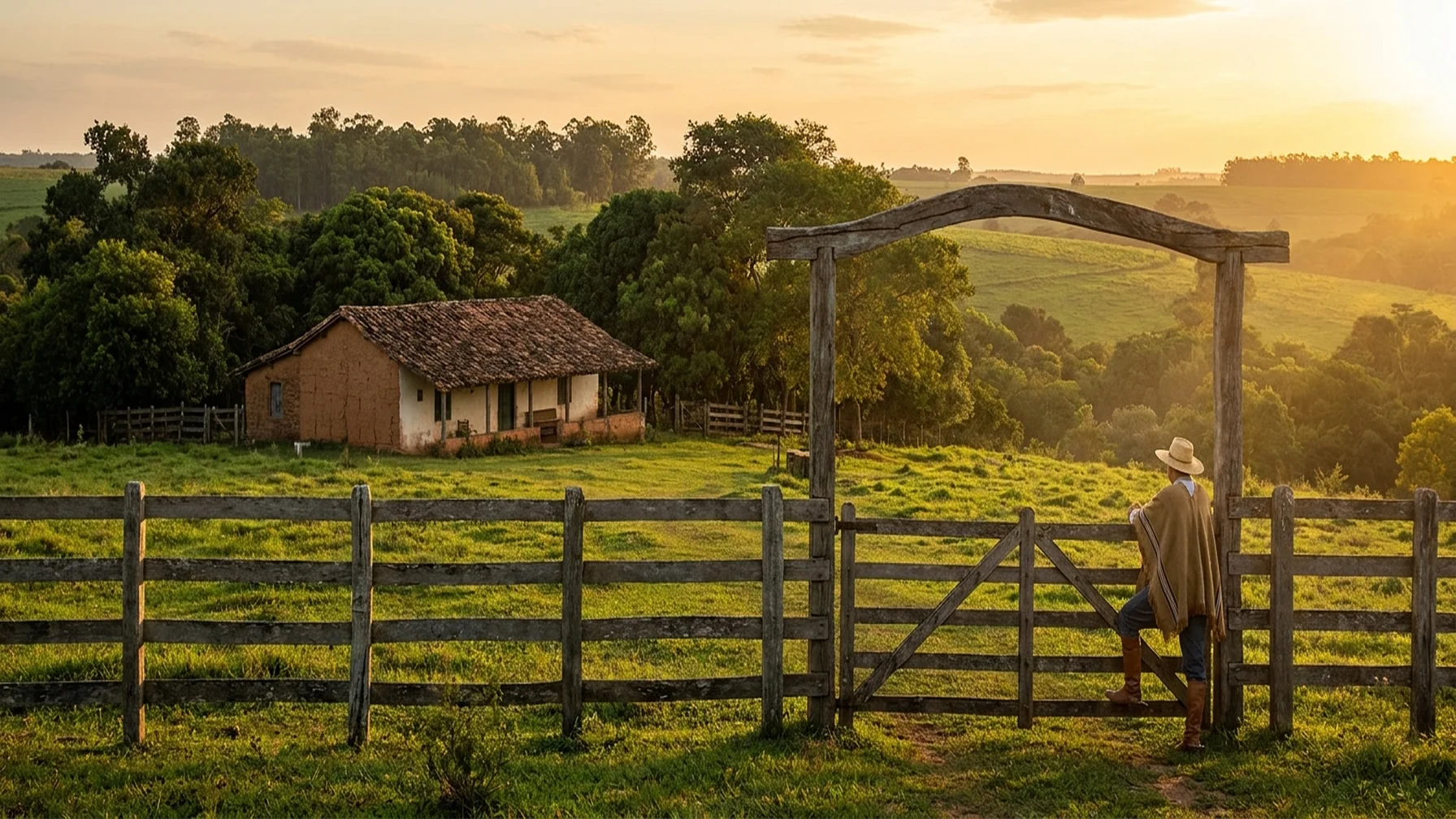
A well-constructed cattle fence is a fundamental aspect of ranch security. Here are some considerations:
- Material: Choose durable materials like barbed wire or electric fencing.
- Height and Strength: Ensure the fence is tall and strong enough to keep cattle in and intruders out.
- Regular Maintenance: Regularly check the fence for wear and perform necessary repairs promptly.
Investing in a quality fence is crucial for the safety and management of your cattle.
Cost Considerations: How Much Does a Cow Cost?
The cost of a cow varies based on factors such as breed, age, and health. On average, cows can cost anywhere from a few hundred to several thousand dollars. Budgeting for these costs is essential when planning your ranch finances.
Transporting Cattle Safely
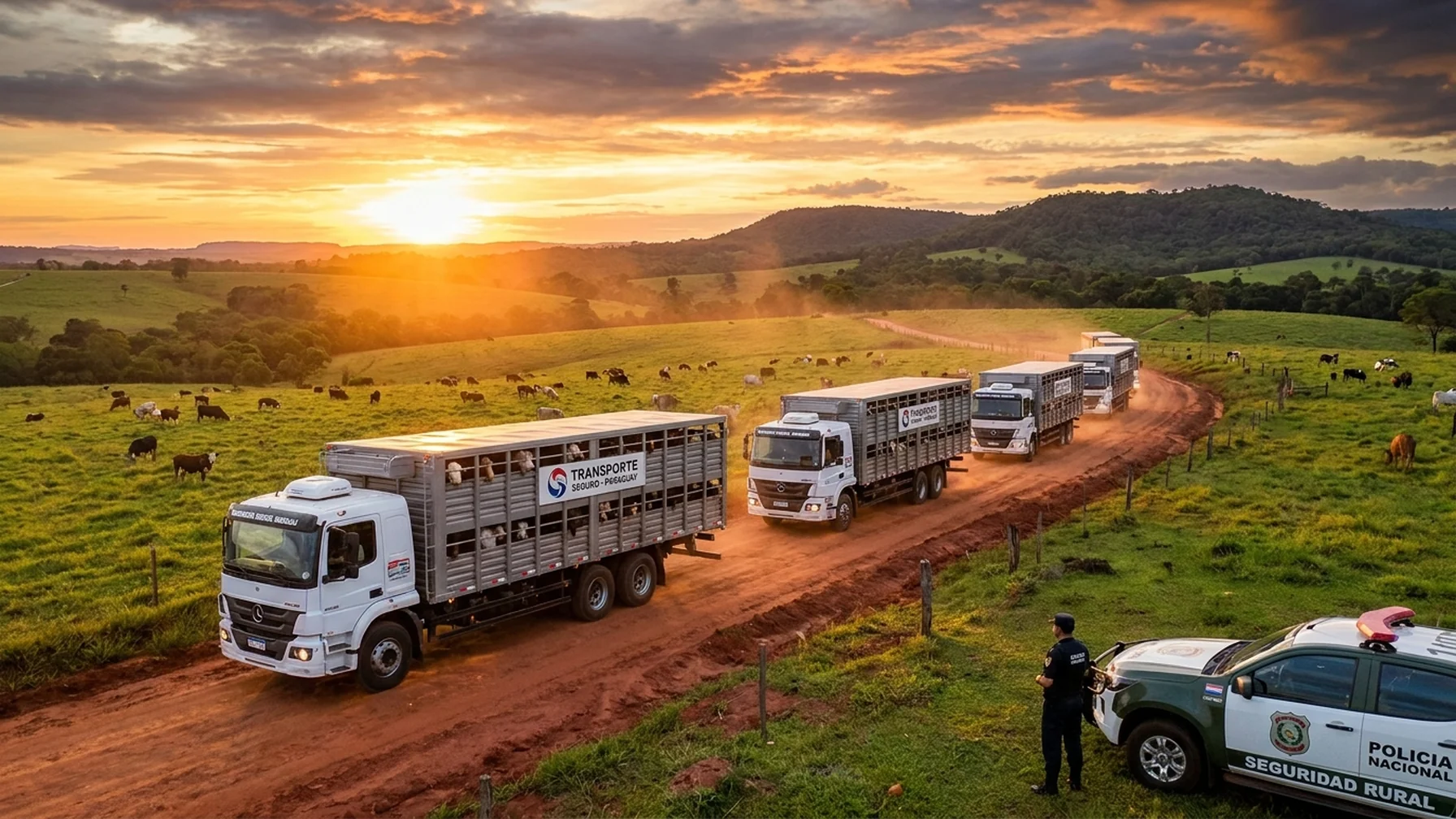
Transporting cattle requires attention to detail to ensure their safety and comfort. Use well-ventilated trailers and plan for adequate rest stops on long journeys. Proper handling during transport minimizes stress and reduces the risk of injury.
By incorporating these consejos de seguridad para ranchos, you can create a secure and efficient environment for your cattle. With careful planning and proactive measures, ranchers can protect their livestock and maintain a thriving operation.