Efficient Strategies for Marking and Managing Cattle
Contents
Efficiently marking cattle is essential for ranchers worldwide. Proper identification helps manage herds effectively and prevent theft. This article offers practical strategies for marking cattle efficiently and implementing security measures to protect your livestock. By understanding these methods, ranchers can enhance their operations and ensure the well-being of their cattle.
Choosing the Right Method for Marking Cattle
Selecting an appropriate marking method is crucial for efficient cattle management. Different techniques offer varying levels of permanence and ease of identification. Here's a table showcasing several popular methods:
| Marking Method | Description |
|---|---|
| Ink Marking | Uses paint for temporary identification, ideal for quick recognition. |
| Tattoos | Involves ink and needles to create a permanent code on the animal's ear. |
| Electronic Collars | Devices that track cattle location via GPS. |
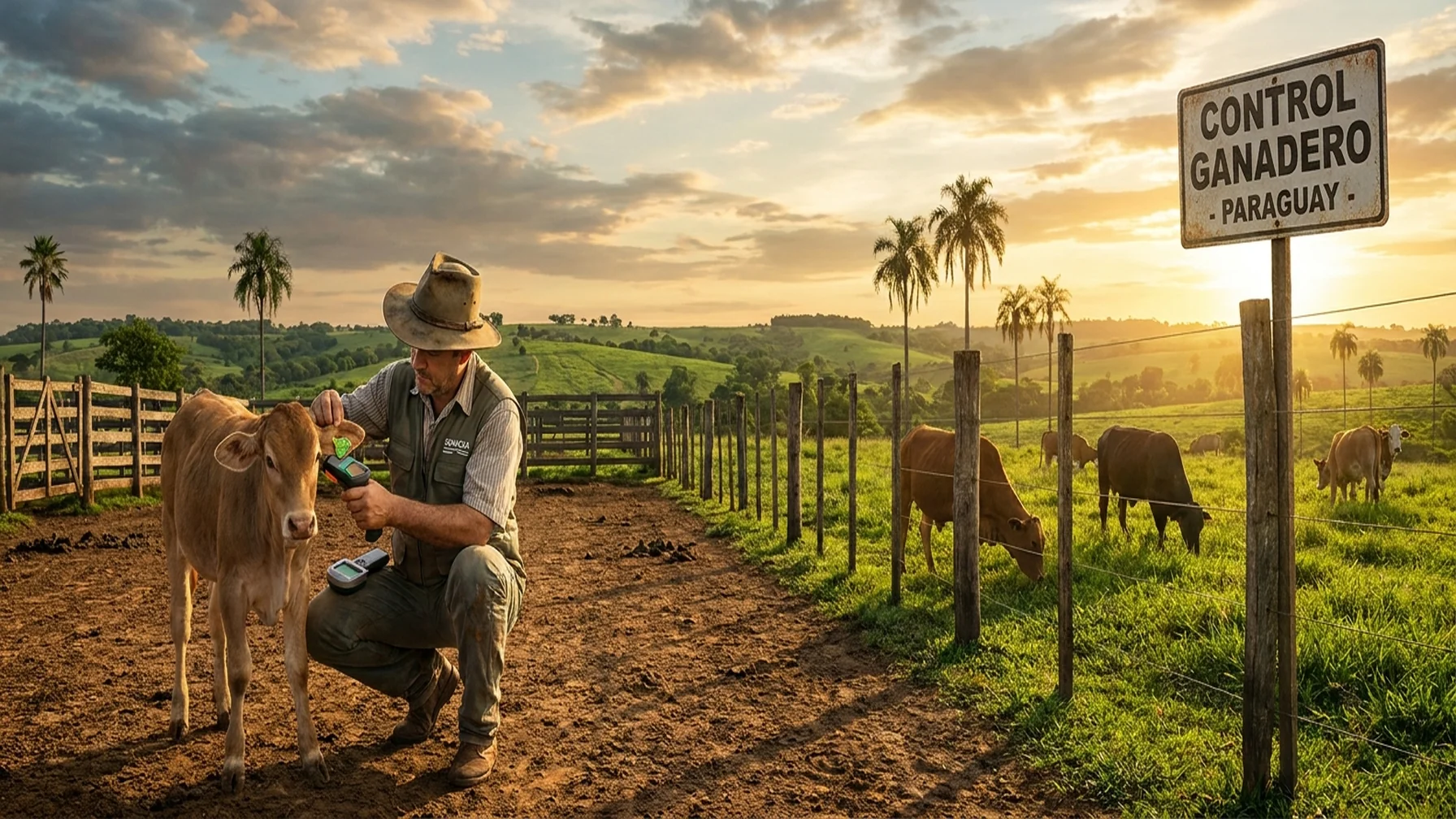
| Microchips | Implantable chips storing information about the cattle and their history. |
Each method has its advantages and disadvantages. Selecting the appropriate technique ensures easy cattle identification and tracking, contributing to more efficient management.
Steps for Efficient Cattle Marking
To mark cattle efficiently, it's important to follow a structured process. These steps will guide you through the marking procedure:
- Plan the marking process by choosing the right time and a safe location.
- Select the most suitable marking type, whether it's a tag, ear tattoo, or other method, based on the species and purpose.
- Carry out the marking while following specific safety and care instructions to minimize stress on the animals.
By adhering to these steps, ranchers can achieve efficient cattle marking, facilitating easy identification and promoting animal welfare.
Preventing Cattle Theft: Security Measures
Cattle theft is a major concern for ranchers globally. Implementing effective security measures is essential to protect livestock. Consider the following strategies to safeguard your cattle:
- Install secure fencing around your property to deter unauthorized access and prevent cattle escapes.
- Use cattle ear tags for easy identification and tracking of individual animals in your herd.
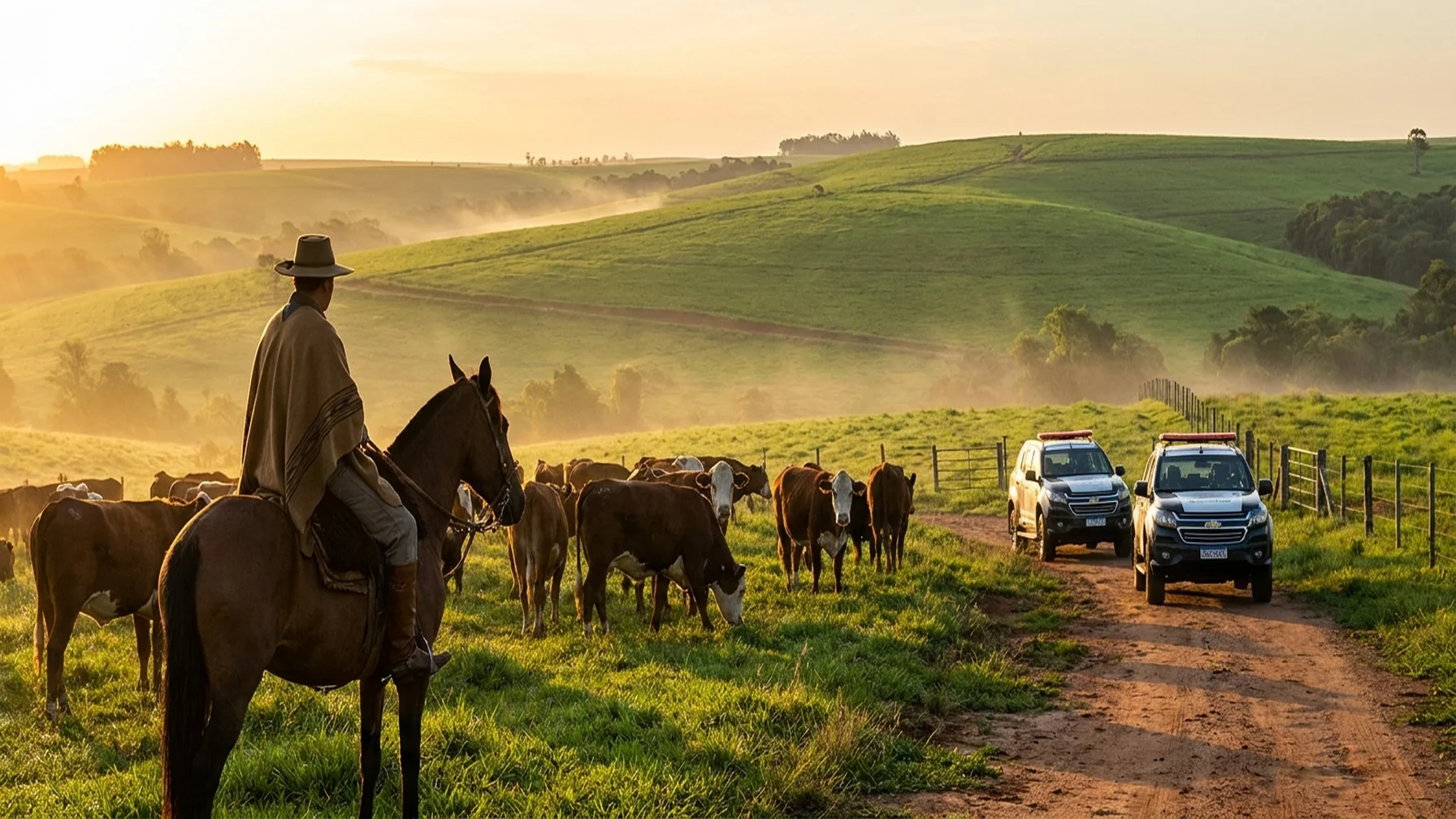
- Employ security personnel or utilize surveillance technology to monitor and respond to potential threats.
- Conduct regular headcounts to quickly detect missing cattle and take immediate action.
These measures can significantly reduce the risk of cattle theft and safeguard your investment. A comprehensive approach combining physical and digital security can provide effective protection for your herd.
Branding Cattle: Traditional and Modern Methods
Branding is a traditional method of marking cattle involving burning a unique symbol onto the animal's skin. While effective, it can be stressful for the animal. Modern alternatives, such as electronic ear tags and RFID chips, offer less invasive ways to track and identify livestock. These technologies enable ranchers to monitor cattle movement, health, and breeding patterns accurately, enhancing operational efficiency.
Ensuring Cattle Health: Vaccination and Care
Maintaining cattle health is crucial for successful farming. Regular vaccinations are essential to prevent diseases like foot-and-mouth and brucellosis. Developing a vaccination schedule with a veterinarian ensures timely disease prevention. Additionally, regular health check-ups, proper nutrition, and a clean water supply are vital for maintaining cattle health.
Cost Considerations: Understanding Cattle Pricing
The cost of cattle varies based on breed, age, and health. Prices can range from a few hundred to several thousand dollars. Planning your budget carefully before purchasing is crucial for financial stability. Consider additional costs such as feed, veterinary care, and infrastructure maintenance. A detailed financial plan helps manage expenses and optimize profitability.
Building a Secure Cattle Fence
A robust fence is vital to keep cattle secure and prevent escapes. Use durable materials like barbed wire or electric fencing for longevity and effectiveness. Proper fence height and regular maintenance can further prevent escapes and intrusions. Regular inspections and repairs are necessary to maintain fence integrity and functionality.
Transporting Cattle Safely
When transporting cattle, ensuring their comfort and minimizing stress is essential. Use well-ventilated trailers with adequate space to avoid overcrowding. Regular stops for water and rest are crucial during long journeys to maintain cattle health and well-being. Implementing best practices for cattle transport can improve animal welfare and reduce losses during transit.
Recognizing and Managing Cattle Diseases
Cattle are susceptible to various diseases, and early detection is key to effective management. Symptoms like coughing, limping, or loss of appetite should be addressed promptly. Work closely with a veterinarian to develop a disease management plan tailored to your herd's specific needs. Regular monitoring and prompt response to health issues are essential for maintaining a healthy herd.
Determining Land Requirements for Cattle
The land needed per cow varies based on pasture quality and environmental factors. Generally, 1 to 2 acres per cow is recommended, but adjustments may be necessary depending on soil fertility and rainfall patterns. Implementing rotational grazing and pasture management practices can optimize land use and enhance forage availability, supporting sustainable cattle farming operations.
By implementing these strategies, ranchers can efficiently mark, protect, and manage their cattle, ensuring a thriving and secure farming operation. Embracing modern technologies, adopting best practices, and maintaining a focus on cattle welfare are essential for long-term success in the cattle farming industry.