Common Cattle Diseases in Paraguay: Understanding and Prevention
Contents
Managing cattle in Paraguay can be a rewarding experience, but it also introduces farmers to a range of challenges, including the risk of disease. Knowing about the common cattle diseases in Paraguay and how to prevent them is crucial for maintaining a healthy herd. This guide serves to explain these diseases and offers practical advice for their prevention.
Overview of Cattle Diseases in Paraguay
Paraguay's climate and environment can contribute to the spread of certain cattle diseases. Farmers need to be aware of these diseases to ensure the health of their livestock.
- Foot and Mouth Disease (FMD): A highly contagious viral disease affecting cloven-hoofed animals, causing fever and blisters.
- Bovine Respiratory Disease (BRD): Often results from stress and poor ventilation, leading to respiratory issues.
- Bovine Tuberculosis: A chronic disease caused by Mycobacterium bovis, affecting the lungs and other organs.
- Brucellosis: An infectious disease causing abortions in pregnant cows and infertility in bulls.
Preventing these diseases involves vaccination, maintaining good hygiene, and scheduling regular veterinary check-ups. Early detection and treatment are essential to prevent significant losses.
Key Strategies for Disease Prevention in Cattle
Implementing effective management techniques is vital for preventing diseases and ensuring cattle health. Here are some key strategies:
- Provide a balanced diet rich in nutrients, ensuring access to clean water and quality forage.
- Implement a regular vaccination schedule to protect against infectious diseases.
- Maintain clean and well-ventilated housing to reduce stress and prevent respiratory issues.
- Conduct regular health checks and isolate sick animals to prevent the spread of diseases.
By focusing on these areas, farmers can significantly reduce the risk of disease outbreaks.
Cattle Breeds Best Suited for Paraguay
Selecting the right breed is crucial for successful cattle farming in Paraguay. Some breeds are particularly well-suited to the local climate and disease resistance:
- Brahman: Known for heat tolerance and resistance to parasites, making them ideal for Paraguayan conditions.
- Nelore: Adaptable to tropical climates with good disease resistance.
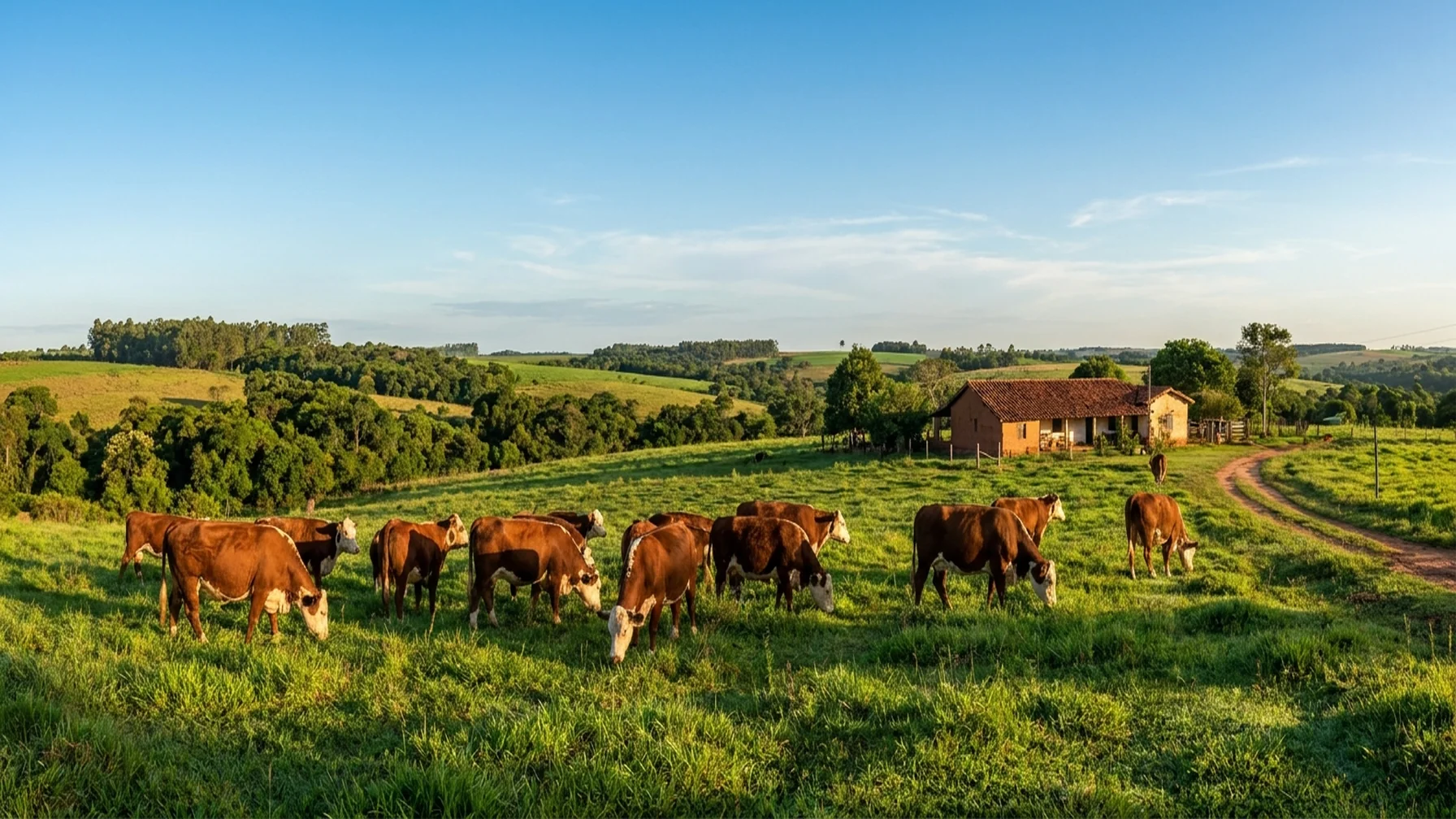
- Hereford: A beef breed known for its meat quality and adaptability.
Choosing the right breed can improve herd health and productivity.
Steps to Start a Cattle Farm in Paraguay
Starting a cattle farm involves several critical steps. Below is a step-by-step guide to help beginners establish their farms:
- Research and Plan: Understand the local market, climate, and regulations.
- Select a Suitable Location: Choose land with ample space and good pasture conditions.
- Invest in Quality Breeds: Choose breeds that are well-suited to the environment and market demand.
- Set Up Infrastructure: Build necessary facilities like barns, fences, and water systems.
- Develop a Management Plan: Include feeding, breeding, health care, and security measures.
Careful planning and execution can lead to a thriving agricultural business in Paraguay.
Table of Common Cattle Diseases in Paraguay
Below is a table outlining some of the most common cattle diseases in Paraguay and their main characteristics:
The table provides a comprehensive overview of the diseases affecting cattle in Paraguay, helping farmers and veterinarians take appropriate preventive and treatment measures.
| Disease | Description |
|---|---|
| Fiebre Aftosa | Highly contagious viral disease affecting cloven-hoofed animals. |
| Brucellosis | Bacterial disease causing infertility and abortions in animals. |
| Leptospirosis | Bacterial infection affecting many mammals, including cattle, and can be transmitted to humans. |
| Gastrointestinal Parasites | Infestations that can cause weight loss and other health problems in cattle. |
Cattle Farm Security: Protecting Against Cattle Rustling
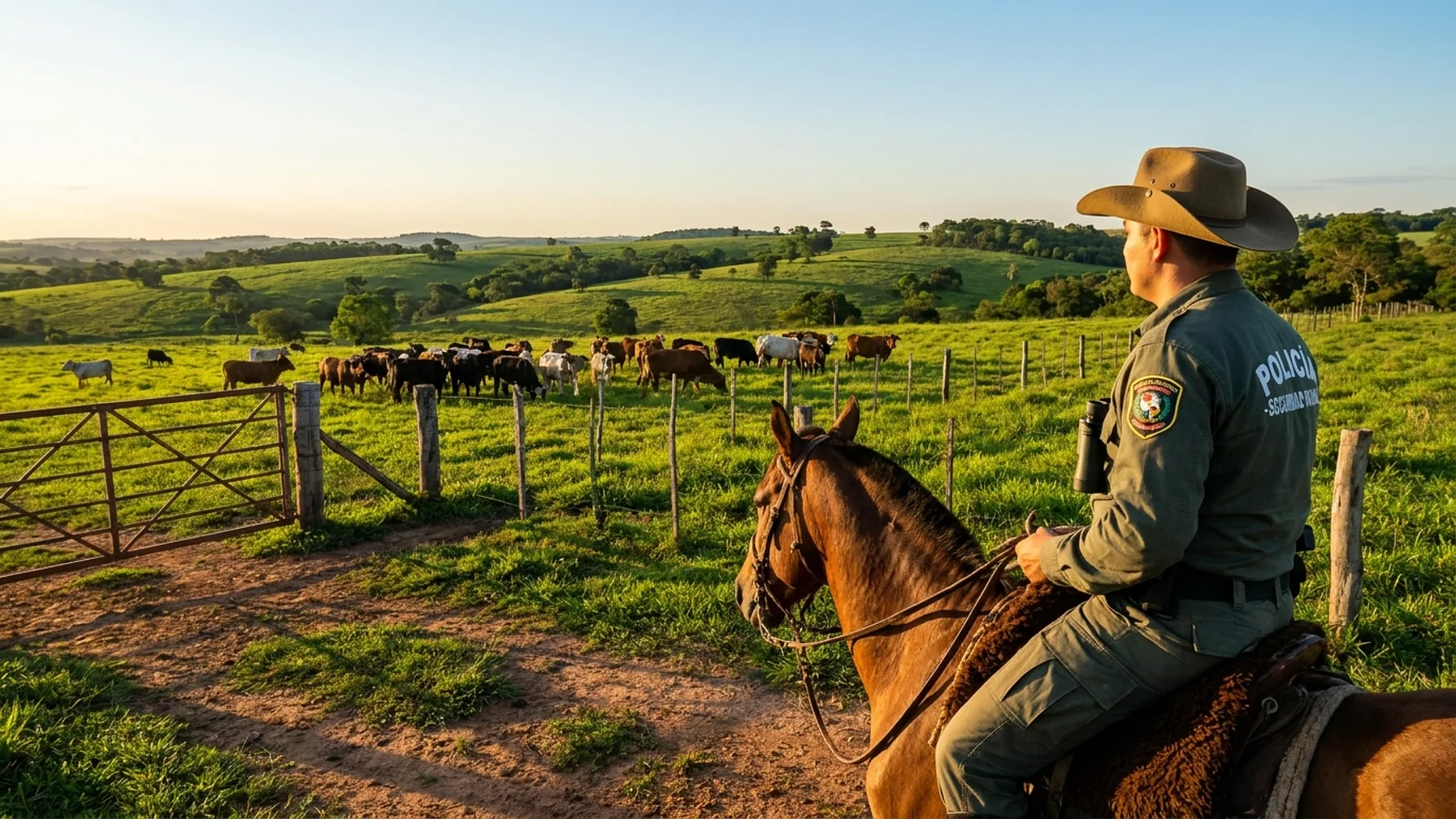
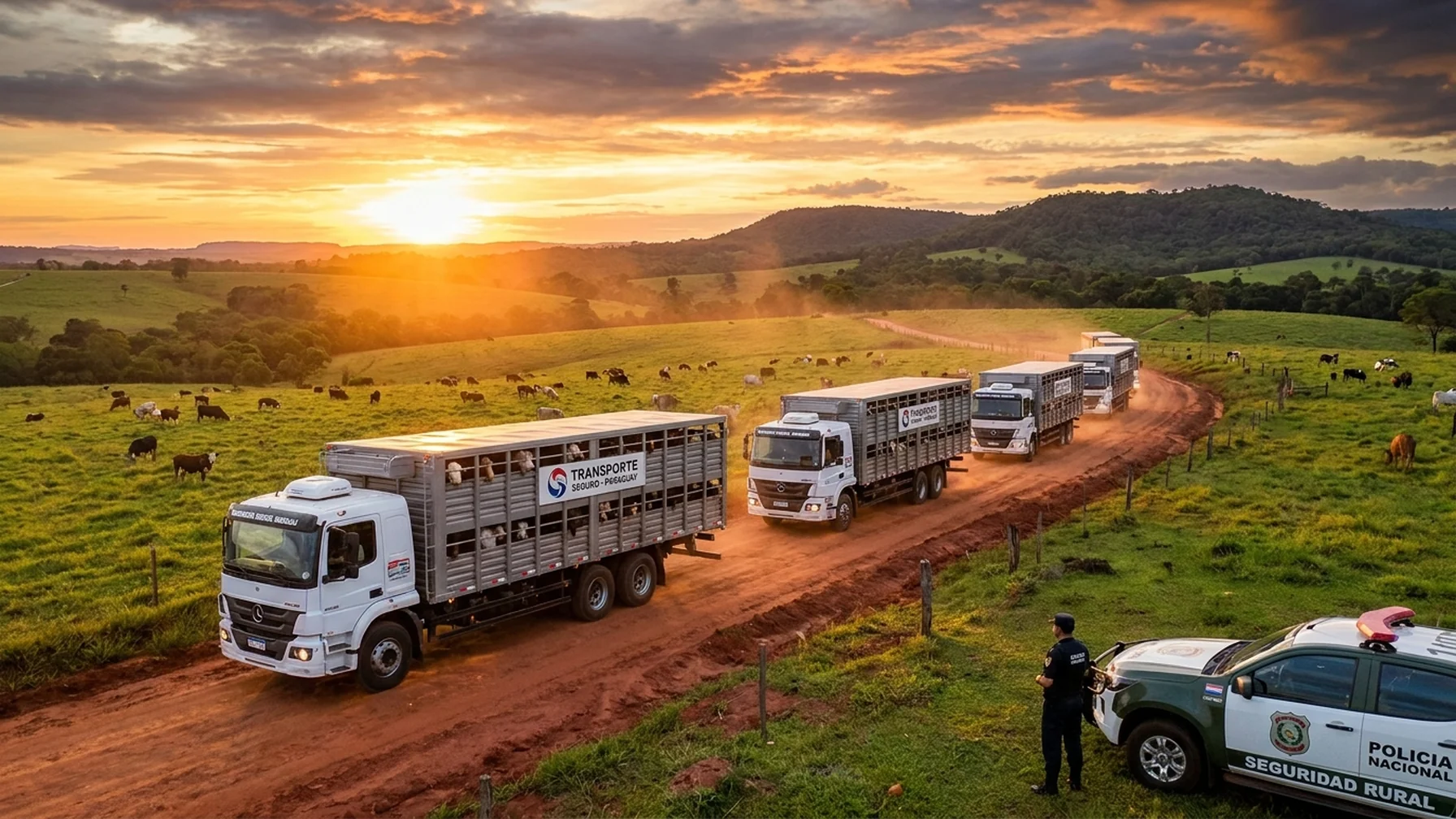
Cattle rustling is a significant threat to farmers in Paraguay. Implementing security measures can help protect livestock from theft:
- Use branding and ear tags for easy identification and to deter thieves.
- Install secure fencing and gates to control access to pastures.
- Employ security personnel or guard dogs to monitor the farm.
- Develop a community network with neighboring farmers to share information about suspicious activities.
These practices help in safeguarding the herd and reducing the risk of cattle theft.
Effective Cattle Farming Tips for Beginners
For those new to cattle farming, here are some practical tips to ensure success:
- Start small to gain experience and gradually expand the herd.
- Keep detailed records of cattle health, breeding, and financials.
- Network with experienced farmers for advice and support.
- Stay informed about developments in cattle farming techniques and disease management.
These tips can help beginners manage cattle farming with confidence.
By understanding common cattle diseases and implementing preventive measures, farmers in Paraguay can maintain a healthy and productive herd. Choosing the right breeds, applying effective farm management practices, and ensuring security are key strategies to protect livestock and enhance productivity.