How to Prevent Cattle Rustling: Strategies for Ranch Security
Contents
Cattle rustling, also known as abigeato, poses a significant threat to ranchers globally, especially in rural regions like Paraguay. This criminal activity not only causes substantial financial losses but also disrupts the agricultural economy. Preventing cattle theft involves a strategic mix of robust security measures, informed breed selection, and diligent cattle management. This guide aims to equip ranchers with practical strategies to protect their livestock and ensure the safety of their cattle farms.
Theft of livestock, particularly cattle, can cripple the financial stability of farms, affecting the livelihood of those who depend on agriculture. With the right approach, such as implementing effective fencing, using technology for surveillance, and maintaining cattle health, ranchers can significantly mitigate these risks. Understanding the intricacies of cattle rustling is crucial for developing an effective prevention strategy.
Understanding Cattle Rustling and Its Impact
Cattle rustling involves the illegal taking of cattle, which can severely impact farmers both financially and operationally. This crime disrupts rural economies by causing direct losses and affecting the supply chain. In regions where agriculture is a primary economic driver, the effects can be particularly devastating. For example, a ranch in Texas reported losing over 50 cattle in one night, which accounted for a significant portion of their annual revenue.
Choosing the Right Cattle Breeds
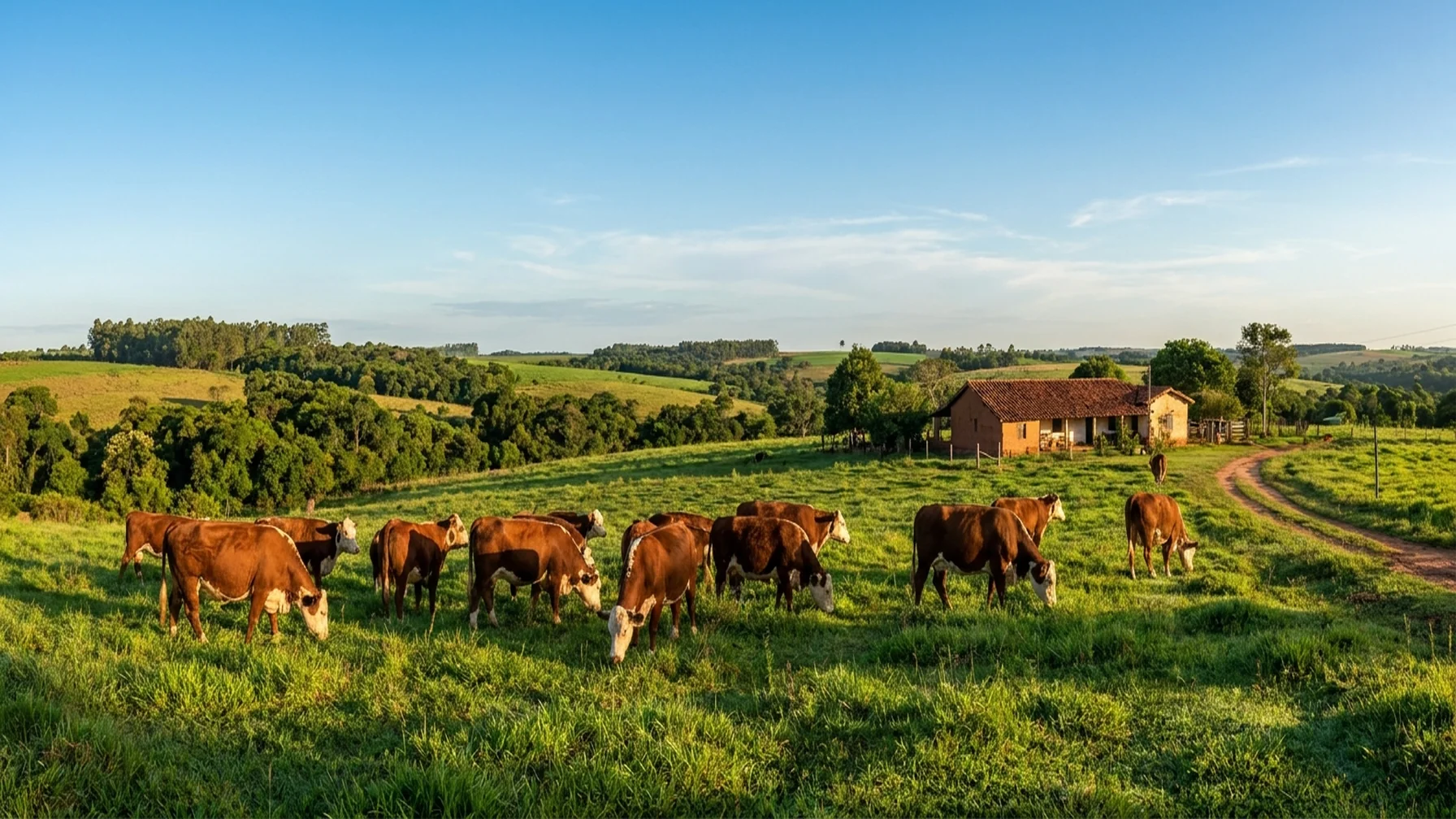
Selecting the appropriate cattle breed is essential for a successful ranch operation. Popular beef breeds like Angus, Hereford, and Brahman are known for their quality meat and adaptability. Choosing breeds that are resilient and less prone to diseases can indirectly reduce theft risks by maintaining a healthier herd. A rancher in Argentina switched to Brahman cattle and noticed a reduction in theft incidents due to their increased vigilance and hardiness.
Basic Cattle Farming for Beginners
New ranchers must grasp the essentials of cattle farming, such as nutritional needs, space requirements, and herd management. A typical cow needs about 1.5 to 2 acres for grazing. Ensuring cattle are well-fed and healthy makes them less appealing to thieves, who often target weak or sick animals. A beginner farmer in Australia found that regular health checks and proper feeding schedules reduced theft and improved herd health.
Implementing Effective Ranch Security
To combat cattle rustling, securing your ranch is imperative. Here are some practical measures:
- Install sturdy fences to define property boundaries and keep cattle in.
- Use cattle ear tags for easy identification and record-keeping.
- Brand your cattle to prove ownership and deter thieves.
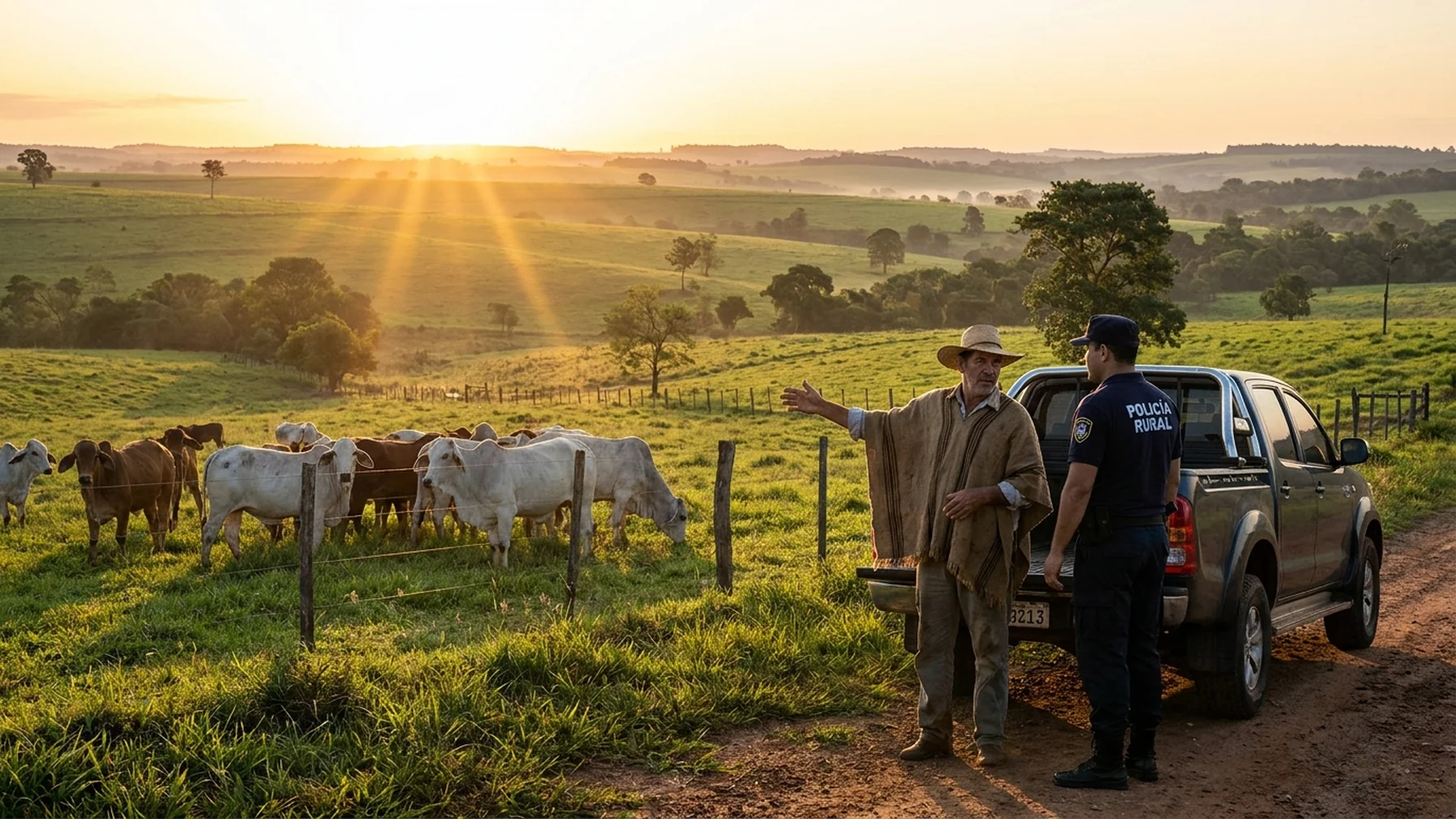
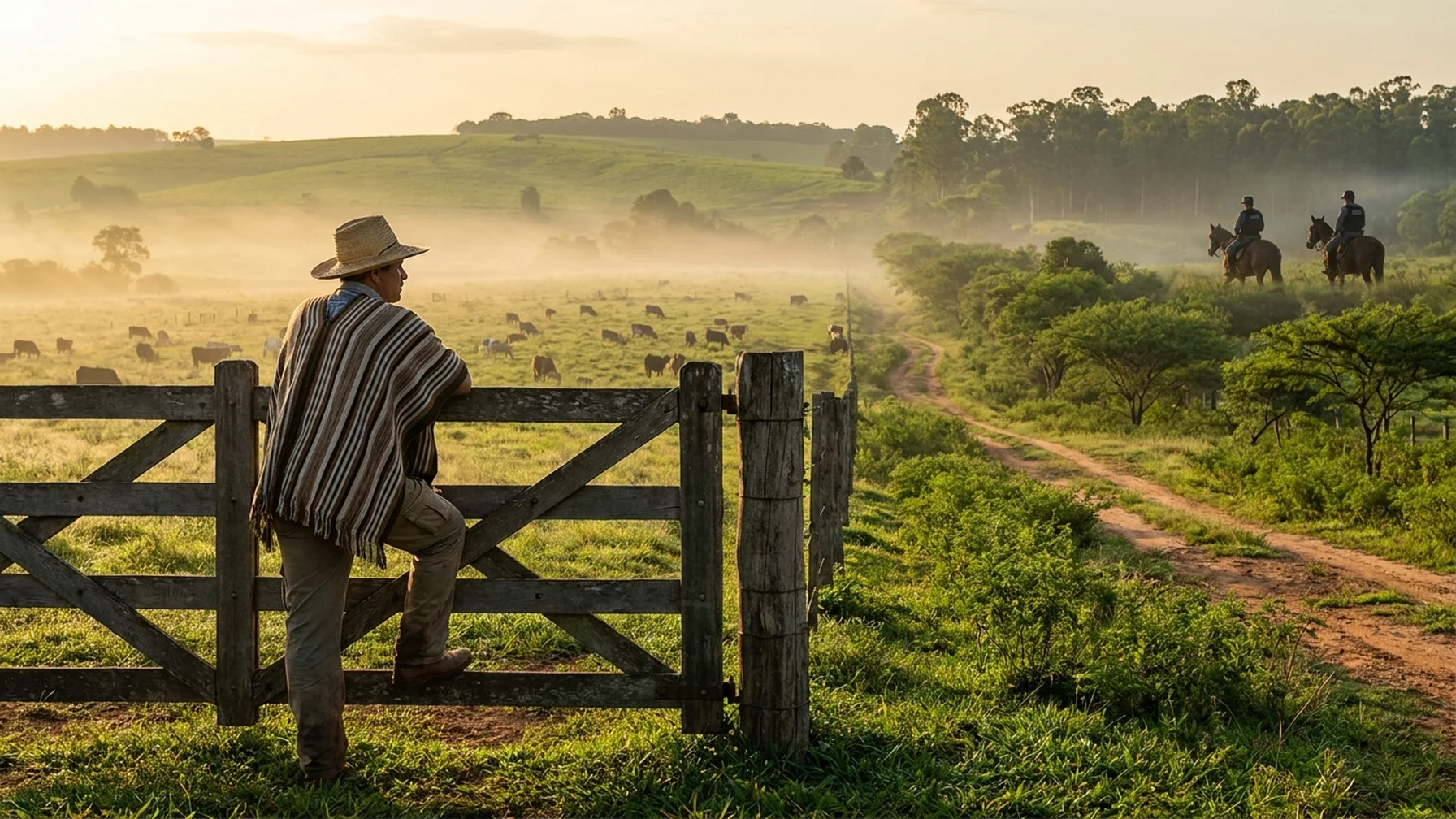
- Regularly patrol your property and maintain a visible presence.
- Consider using technology like surveillance cameras and motion sensors.
These precautions can significantly decrease the risk of theft and ensure your livestock's safety. A rancher in New Mexico implemented a combination of electric fences and motion sensors, resulting in a 40% decrease in theft incidents over a year.
Maintaining Cattle Health and Vaccination
Healthy cattle are less attractive to rustlers. Implementing a regular vaccination schedule and health checks can prevent diseases, keeping your herd productive and profitable. A farm in Brazil adopted a rigorous health management program, which not only improved cattle health but also reduced theft rates due to the increased value of healthy livestock.
Cost Considerations and Investment in Cattle Farming
Understanding the costs involved in cattle farming is crucial for planning your investment. This includes the purchase price of cows, feed, and security measures. Proper budgeting can help ensure sustainable practices. For instance, a farmer in Canada calculated the cost of high-quality feed versus losses from theft and found that investing in better feed reduced overall financial losses.
Transporting and Identifying Cattle Safely
Transporting cattle safely involves careful planning to reduce stress and prevent theft during transit. Use secure vehicles and ensure all cattle are properly identified with ear tags or brands before transportation. A cooperative in Kenya developed a system for tracking cattle during transport, reducing theft incidents by ensuring each animal was accounted for throughout the journey.
Building a Robust Cattle Fence
A well-constructed fence is a primary defense against cattle rustling. Use durable materials and ensure the fence is tall enough to prevent cattle from escaping or being easily stolen. Regular maintenance is crucial. A ranch in South Africa invested in solar-powered electric fencing, which proved cost-effective and significantly reduced unauthorized access to their property.
Comparison of Security Measures
Choosing the right security measures depends on various factors, including budget and ranch size. Here’s a comparative overview:
| Security Measure | Advantages | Disadvantages |
|---|---|---|
| Fencing | Defines boundaries, deters theft | Requires regular maintenance |
| Surveillance Cameras | Provides evidence, deters thieves | Initial high cost, requires power source |
| Branding | Proves ownership, permanent | Can be stressful for animals |
| Ear Tags | Easy identification, cost-effective | Can fall off, not permanent |
| Patrolling | Visible deterrent, flexible | Labor-intensive, not 24/7 |
Each method has its pros and cons, and often a combination works best to ensure comprehensive security.
Common Mistakes in Preventing Cattle Rustling
Avoiding common mistakes can significantly improve the effectiveness of anti-theft strategies. One such mistake is neglecting regular maintenance of fences. A case in Australia highlighted how a ranch lost several cattle due to a fallen section of their fence, which had not been checked in weeks. Another common error is relying solely on technology without physical patrols, as technology can sometimes fail or be bypassed. A farm in India experienced theft when cameras were disabled during a power outage, underscoring the need for backup systems.
Combining high-tech solutions with traditional methods like regular patrols ensures a more resilient security system.
Conclusion: Protecting Your Livestock
Preventing cattle rustling requires a proactive approach combining breed selection, robust security measures, and diligent herd management. By taking these steps, ranchers can significantly reduce theft risks and protect their investments. Although no strategy can completely eliminate the threat of cattle rustling, these measures can substantially decrease its likelihood, contributing to the sustainability of the rural economy.