How to Start a Cattle Farm in Paraguay: Essential Tips and Insights
Contents
Starting a cattle farm in Paraguay offers a promising venture for those interested in agriculture. With its vast lands and favorable climate, Paraguay is an ideal location for raising cattle. The country's agricultural sector is growing, and cattle farming plays a significant role in its economy. This guide provides insights into every step of the cattle farming process, from choosing the right breeds to ensuring the security of your livestock. Whether you are a seasoned farmer or a newcomer to the industry, understanding the local conditions and best practices is crucial for success.
Choosing the Right Cattle Breeds
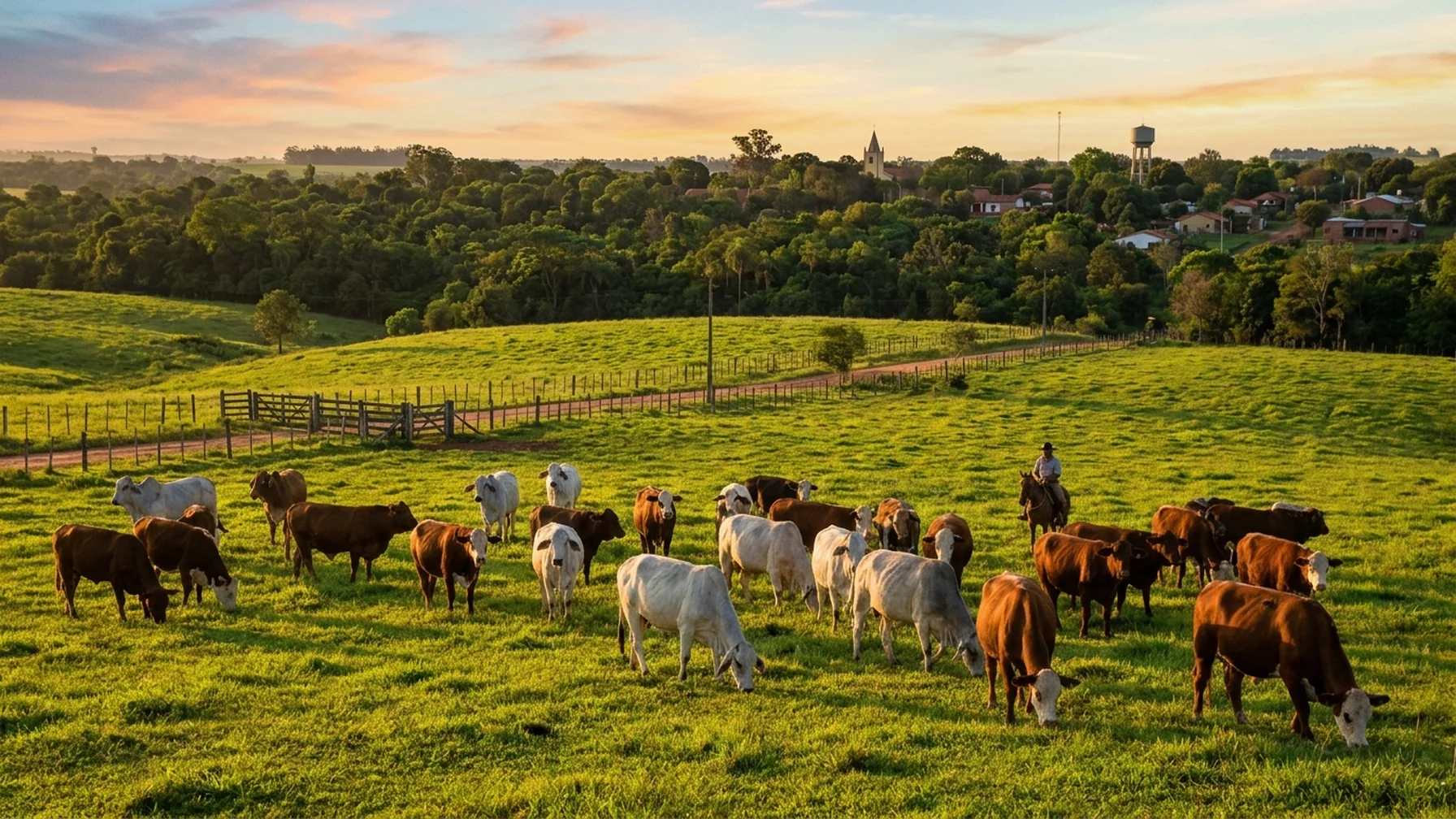
Selecting the appropriate cattle breed is crucial for the success of your farm. In Paraguay, popular beef cattle breeds include Brahman, Hereford, and Angus. Each of these breeds has unique characteristics:
- Brahman: Known for heat tolerance and disease resistance, making them ideal for Paraguay's climate.
- Hereford: These cattle are known for their docile nature and efficient feed conversion.
- Angus: Valued for high-quality beef production and adaptability to various environmental conditions.
Consider the local climate, your business goals, and available resources when selecting your breed. For example, a farm in the warmer Chaco region might benefit more from Brahman cattle due to their heat resistance, whereas a farm aiming for premium beef markets might prefer Angus for their meat quality.
Feeding and Caring for Your Cattle
Proper nutrition is essential for healthy cattle. Cows primarily eat grass, hay, and supplementary grains. Ensure a balanced diet to promote growth and maintain health. Freshwater access is also critical. Regular check-ups with a veterinarian will keep your herd healthy.
In Paraguay, many farmers supplement their cattle's diet with locally available feed like soy and corn. A case study from a successful farm near Asunción showed that integrating mineral supplements significantly increased cattle weight gain and overall health. Implementing a similar strategy could prove beneficial.
Setting Up Your Cattle Farm
To begin your cattle farm in Paraguay, follow these steps:
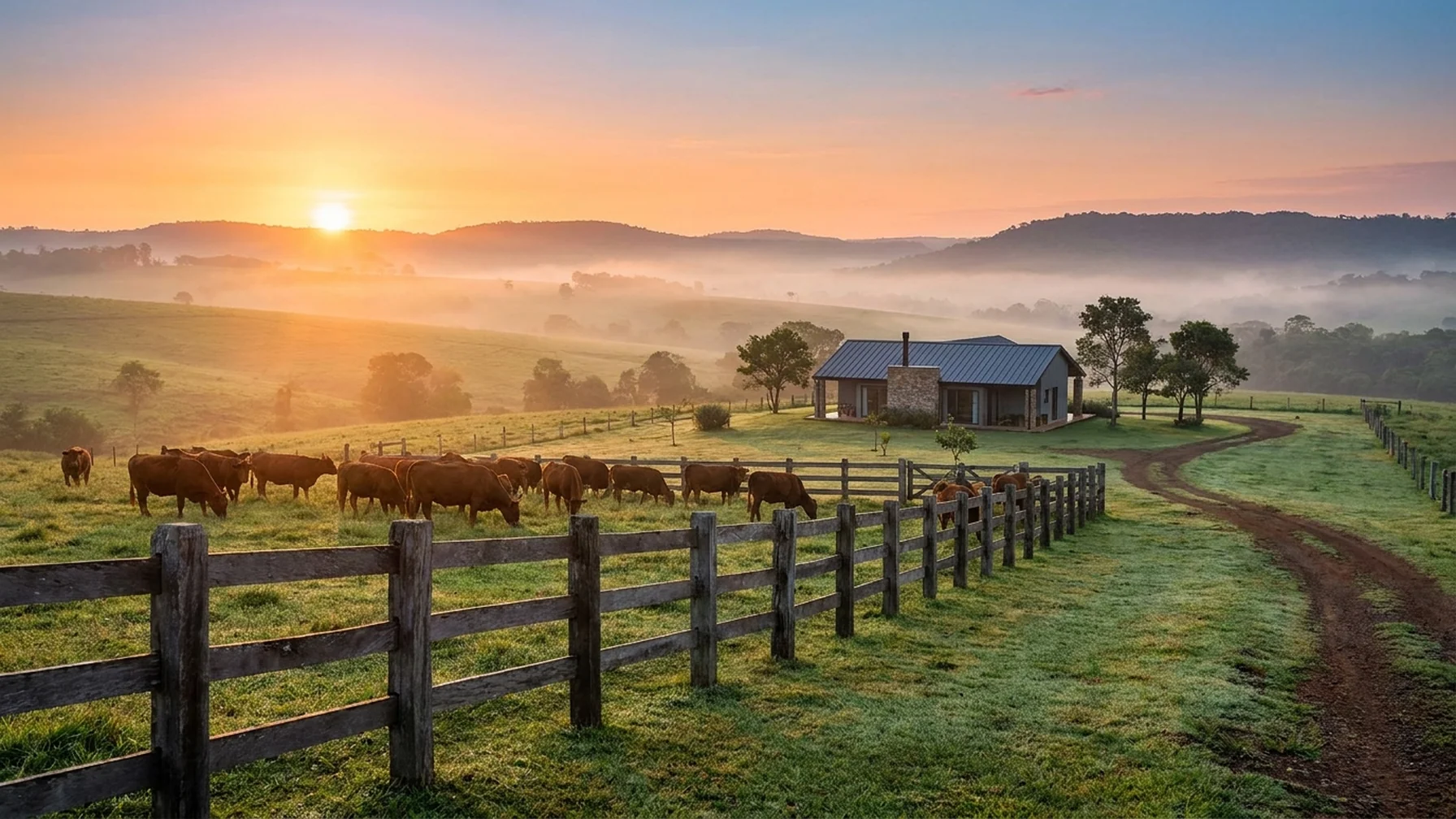
- Plan Your Farm Layout: Allocate space for grazing, shelter, and feeding areas. Consider how many acres per cow you need; generally, 1-2 acres per cow is sufficient.
- Build a Sturdy Fence: A well-constructed fence prevents cattle from wandering and protects them from predators.
- Install Ear Tags: Ear tags help in identifying and managing your cattle effectively.
- Branding Cattle: Branding is a traditional method to mark ownership and deter theft.
A farmer in Eastern Paraguay implemented solar-powered electric fencing, which not only reduced the initial costs but also improved cattle management efficiency. This innovative approach is worth considering when setting up your farm infrastructure.
Understanding Cattle Rustling and Prevention
Cattle rustling, or theft, is a significant concern for farmers. It involves the illegal taking of cattle and can result in substantial financial losses. To protect your livestock:
- Implement security measures like surveillance cameras and alarm systems.
- Regularly monitor your herd and report any suspicious activity to local authorities.
- Use ear tags and branding for easy identification of stolen cattle.
Maintaining good relationships with neighbors can also aid in mutual protection efforts. In a recent incident in the Central Department, local farmers collaborated to set up a community watch program, significantly reducing theft incidents.
Cattle Diseases and Vaccination Schedule
Keeping your cattle healthy is vital. Familiarize yourself with common cattle diseases such as foot-and-mouth disease and bovine respiratory disease. Work with a veterinarian to establish a vaccination schedule to prevent these illnesses.
A farm in Southern Paraguay faced an outbreak of foot-and-mouth disease due to irregular vaccinations. By collaborating with veterinary services and adhering to a strict vaccination schedule, they managed to control the outbreak and prevent future occurrences. Implementing a robust health plan is crucial for any cattle farm.
Costs and Investment in Cattle Farming
The initial cost of starting a farm includes purchasing cattle, building infrastructure, and ongoing maintenance. A cow in Paraguay can cost anywhere from $500 to $1,500, depending on the breed and age. Budget for feed, healthcare, and security measures to ensure a successful operation.
A breakdown of costs for a small-scale operation might include:
| Expense | Estimated Cost (USD) |
|---|---|
| Cattle Purchase (10 cows) | 7,000 - 15,000 |
| Infrastructure (fencing, shelter) | 5,000 - 10,000 |
| Feed and Supplements (annual) | 2,000 - 4,000 |
| Veterinary Services | 1,000 - 2,000 |
| Security Measures | 1,500 - 3,000 |
These figures highlight the importance of careful financial planning and potential investment strategies to ensure sustainability.
Transporting and Handling Cattle
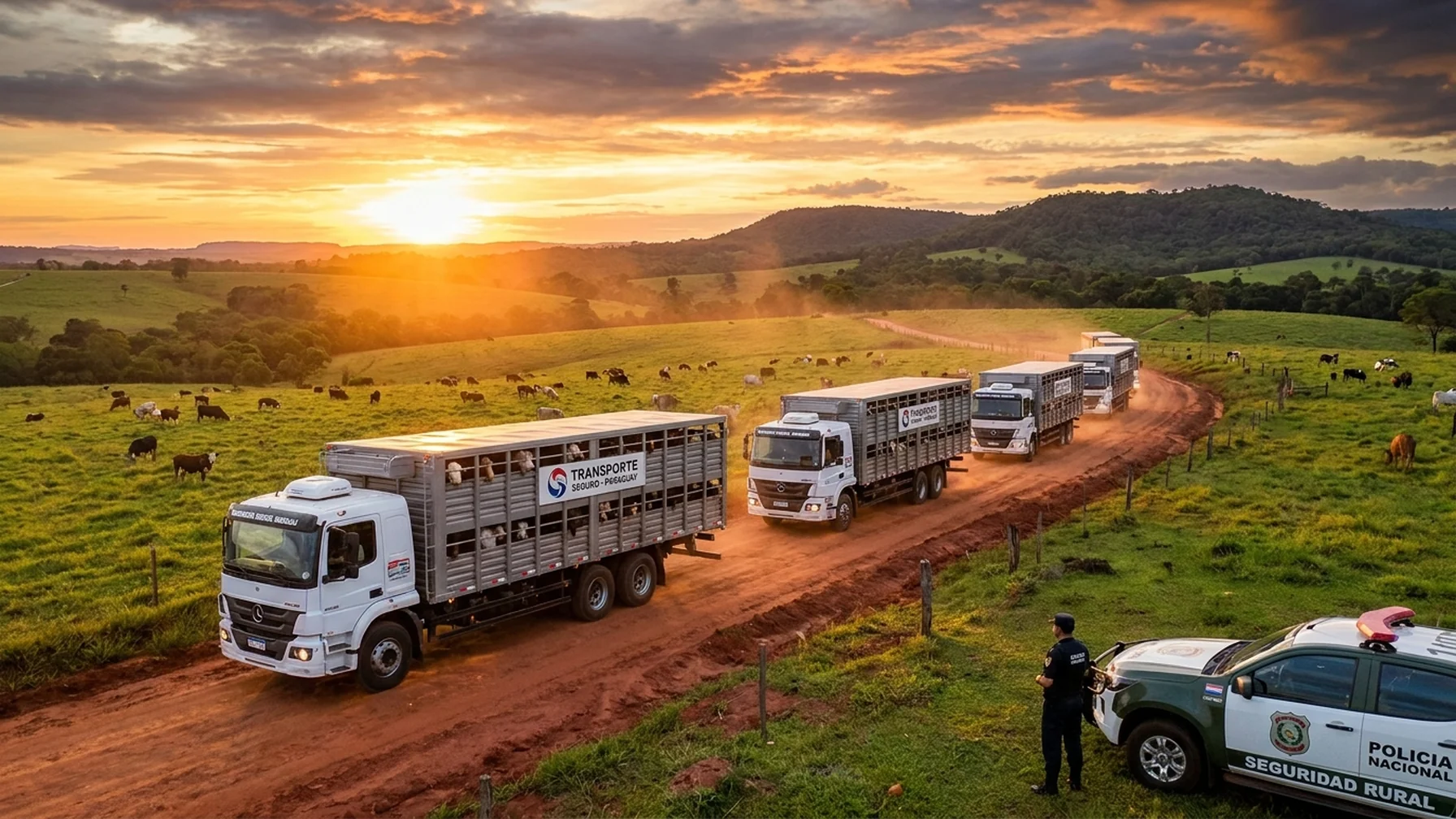
Transporting cattle safely is essential for their well-being. Use appropriate trailers and ensure they are not overcrowded. Handle cattle calmly during loading and unloading to reduce stress and risk of injury.
A farm in the Chaco region implemented a rotational grazing system, which minimized the need for transportation and significantly reduced stress-related issues among their herd. Adopting similar practices can enhance cattle welfare and farm efficiency.
Ranch Security Tips
Security on your farm is paramount. Here are some tips:
- Install proper lighting around your property to deter intruders.
- Regularly inspect fences and gates for any breaches.
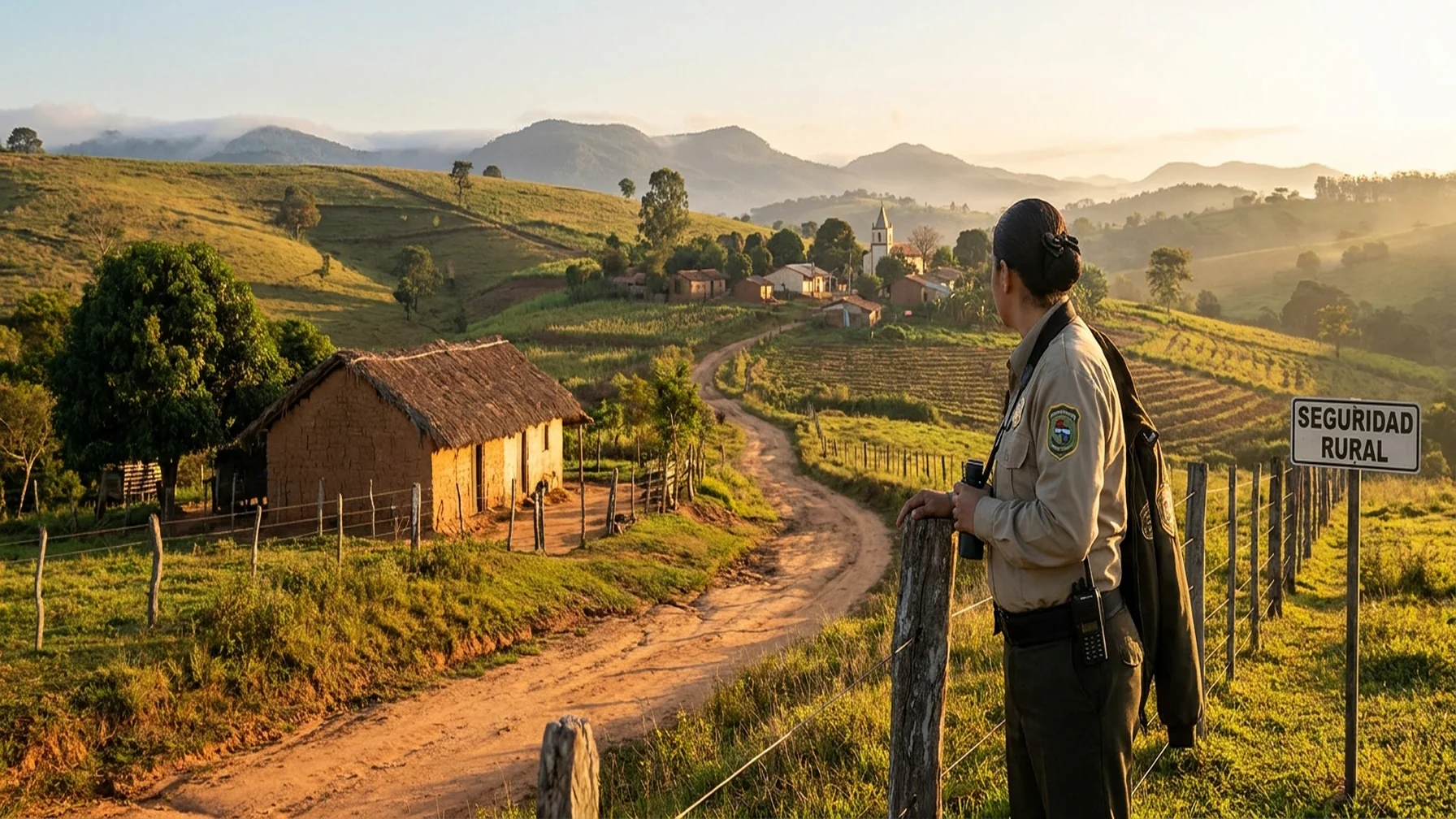
- Consider hiring security personnel if feasible.
These measures not only protect your cattle but also your investment. A ranch in the Northern region installed motion-sensor lights and reported a noticeable drop in unauthorized access attempts.
Conclusion: Starting Your Cattle Farm
Starting a cattle farm in Paraguay requires careful planning and management. By selecting the right breed, ensuring proper nutrition, and implementing security measures, you can build a successful and sustainable operation. Stay informed about local regulations and continuously improve your farming practices for the best results. Engaging with local farming communities can provide valuable insights and support as you embark on this agricultural journey.