Building Cattle Fences: Ensuring Security for Your Livestock
Contents
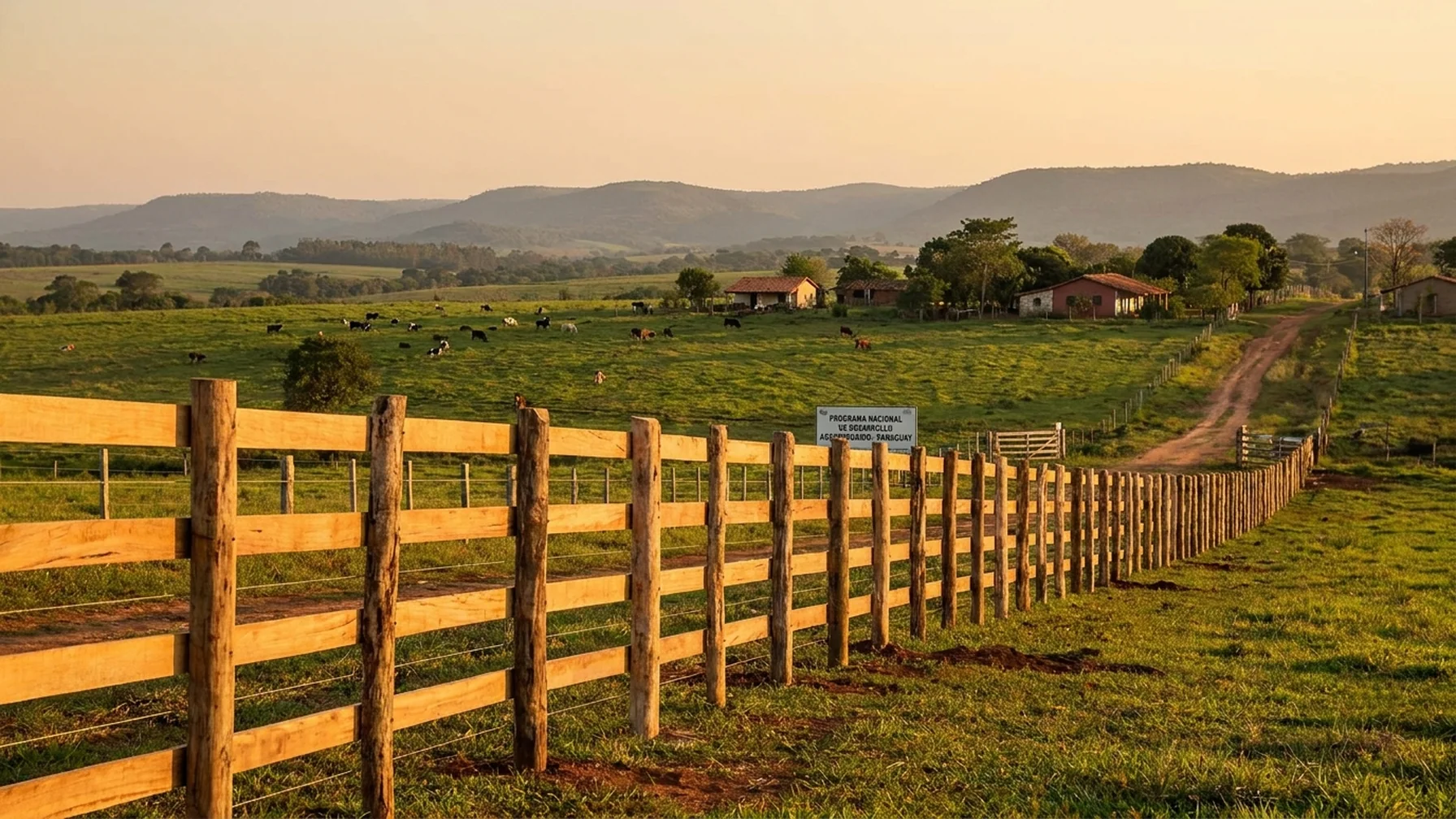
For cattle farmers around the world, from Paraguay to Australia, the construction of effective cattle fences is crucial for safeguarding livestock. Cattle fences not only keep cattle contained but also protect them from theft and predators. Understanding the essential steps in fence construction can make a significant difference in the security and well-being of your herd. With the right planning and materials, a well-built fence can serve as a reliable barrier, ensuring that cattle roam safely within designated areas without risking escape or harm. This guide will walk you through the key components and considerations in building a practical and secure cattle fence.
Essential Materials for Cattle Fence Construction
Before diving into the construction process, gather the necessary materials. Common choices include barbed wire, high-tensile wire, and electric fencing, each having its own benefits depending on specific needs and farm terrain. Additionally, you'll need sturdy posts, which can be made from wood, metal, or concrete, along with reliable tools for installation. For example, a farmer in Texas found high-tensile wire ideal for his vast open fields, providing a balance of strength and flexibility. Meanwhile, in hilly regions, electric fencing is preferred for its ability to adapt to uneven landscapes. Choosing the right materials not only affects the fence's durability but also its maintenance and cost-effectiveness over time.
Planning Your Cattle Fence Layout
Proper planning is key when setting up cattle fences. Start by mapping out your land to determine the best perimeter for the fence. Consider the natural landscape, water sources, and existing structures. It's essential to create a layout that allows for easy access to grazing areas and water while keeping the cattle secure. A farmer in Argentina effectively used natural barriers like rivers and hills in his layout, reducing the need for extensive fencing. By strategically planning the layout, you can minimize costs and enhance the functionality of the fence, ensuring it meets the unique needs of your farm.
Steps to Constructing a Secure Cattle Fence
Once you have your materials and layout ready, follow these steps to build a robust cattle fence:
- Install Corner Posts: Begin by setting up strong corner posts. These posts bear the most tension and must be securely anchored. A ranch in Wyoming found success by using concrete to reinforce corner posts, extending the lifespan of their fence.
- Set Line Posts: Space your line posts evenly between the corner posts. The distance may vary depending on the terrain and type of fencing material used. In rocky areas, like certain parts of Scotland, shorter distances between posts help maintain stability.
- Attach Wire: Start with the bottom wire, attaching it to the posts. Continue with additional wires at appropriate intervals. A cattle farm in New Zealand uses staggered wire heights to prevent both young and adult cattle from escaping.
- Secure the Gate: Install a gate that provides easy access for both cattle and vehicles, ensuring it is as secure as the rest of the fence. A robust gate system with a locking mechanism has proven effective on farms in South Africa, deterring unauthorized access.
These steps help ensure the fence is both durable and functional, providing optimal security for your cattle. By incorporating local insights and adapting to the environment, you can build a fence that stands the test of time.
Preventing Cattle Theft and Enhancing Ranch Security
Cattle rustling is an ongoing concern for farmers. Implementing additional security measures can help prevent theft. Consider the following tips:
- Install Surveillance Cameras: Place cameras at key points around your farm to monitor activity. A farmer in Brazil found that cameras not only deterred theft but also provided valuable data on cattle behavior.
- Use Motion-Activated Lights: These can deter potential thieves and alert you to unusual movements. A ranch in Kenya reported a significant decrease in theft attempts after installing such lights.
- Brand Your Cattle: Branding not only helps identify your cattle but also acts as a deterrent to theft. In regions like Texas, branding is a traditional and effective method for livestock identification.
By taking these proactive steps, you can significantly reduce the risk of cattle rustling and enhance the overall security of your farm. Combining technology with traditional methods provides a comprehensive security strategy.
Caring for Your Cattle: Daily Practices and Maintenance
Beyond physical security, caring for your cattle involves attention to their health and well-being. Regular feeding, providing clean water, and maintaining a vaccination schedule are essential tasks. For instance, a farm in Australia emphasizes the importance of seasonal vaccinations to prevent common diseases. Understanding the specific needs of different beef cattle breeds can also improve their care. A ranch in Canada customizes feeding programs based on breed-specific nutritional requirements, leading to healthier herds.
Integrating Technology in Cattle Management
Technology can play a significant role in modern cattle management. Utilizing ear tags with RFID technology allows for easy tracking and identification of each cow. This data can help monitor health, manage breeding schedules, and ensure accurate record-keeping. A case study from a farm in Ireland showed how RFID technology reduced labor costs and improved herd management efficiency. By integrating technology, farmers can make informed decisions and optimize cattle operations.
Conclusion: Building a Secure Future for Your Cattle Farm
Constructing a reliable cattle fence is just one part of establishing a secure and productive cattle farm. By combining effective fencing with modern security measures and attentive cattle care, farmers can protect their investments and ensure the success of their operations. Whether you're a beginner or an experienced rancher, these strategies can help you build a safer and more efficient cattle farm. As demonstrated by farms worldwide, the integration of traditional practices with innovative solutions leads to sustainable and successful cattle management.