
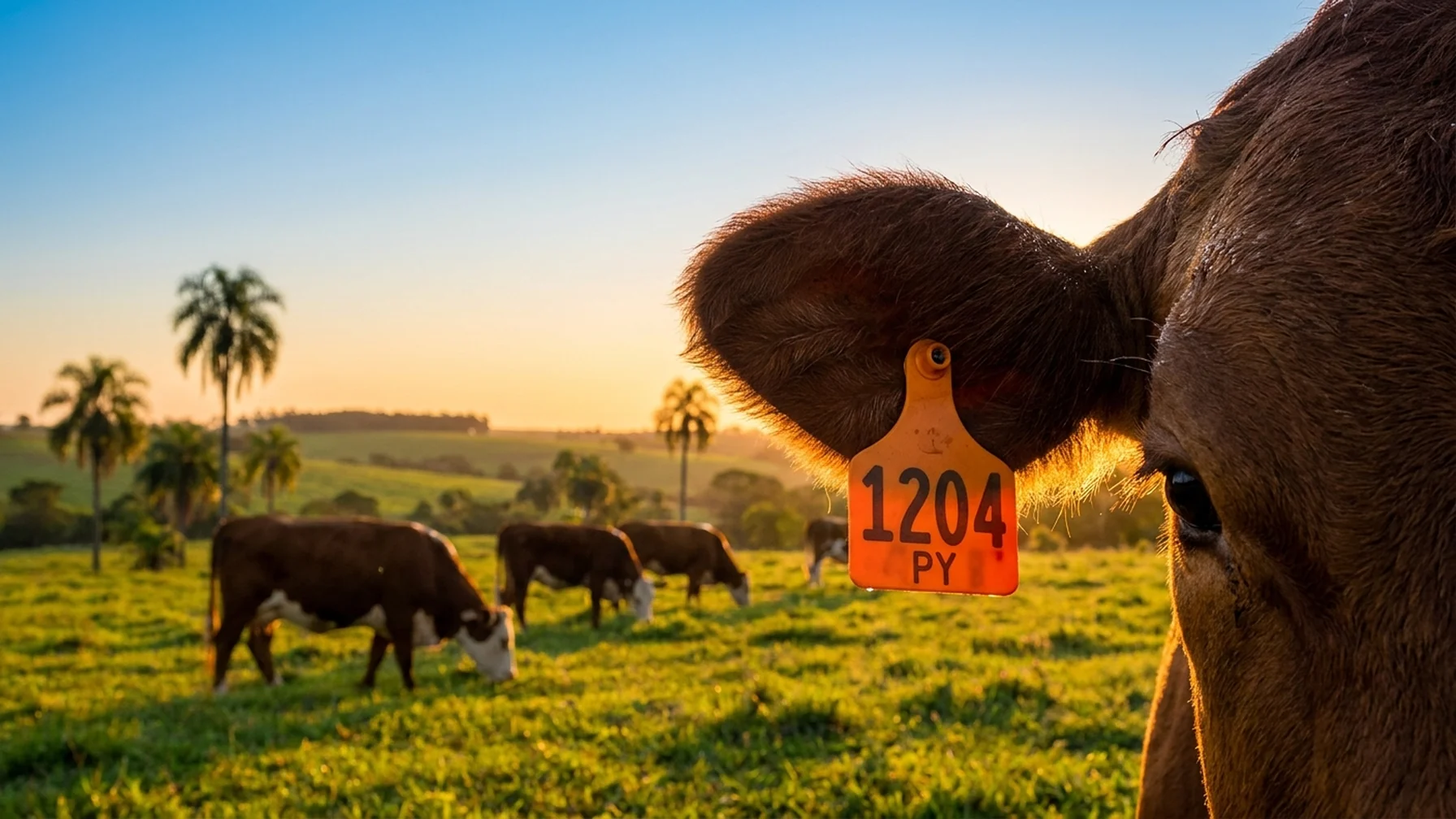
Understanding Cattle Ear Tags: A Key to Effective Livestock Management
Contents
If you're involved in cattle farming, understanding cattle ear tags is crucial. These tags serve not just as identification tools but also play a vital role in managing livestock health and security. Ear tags provide a unique identification code that helps farmers keep track of individual animals, monitor health records, and manage breeding programs efficiently. In this guide, we will explore how ear tags work, their significance in preventing cattle theft, and how they integrate into broader strategies for ranch security. With advancements in technology, ear tags have evolved from simple identification markers to sophisticated devices that can store and transmit data, offering significant benefits to cattle farmers worldwide.
The Purpose of Cattle Ear Tags
Cattle ear tags are small devices attached to a cow's ear to provide a unique identification code. This code helps farmers keep track of individual animals, monitor health records, and manage breeding programs. Ear tags are typically made from plastic or metal, designed to withstand harsh environmental conditions. For example, in Australia, cattle farmers use ear tags to manage large herds across vast areas, ensuring that each animal's health and location can be monitored efficiently.
How Cattle Ear Tags Work
Each ear tag contains a unique number or code that corresponds to a specific animal. This number is recorded in a farm's database or logbook, allowing for easy tracking of the animal's history and health status. Some modern ear tags even incorporate RFID technology, enabling automated scanning and data collection. In regions like Texas, where cattle operations are extensive, RFID tags allow ranchers to quickly assess herd health and inventory without manual checks, significantly reducing labor costs.
Types of Cattle Ear Tags
There are several types of cattle ear tags, each serving different purposes:
- Visual Ear Tags: These are the most common and allow for easy visual identification from a distance. In New Zealand, visual tags are used in national livestock tracking to prevent disease spread.
- RFID Tags: These tags use radio frequency identification to store and transmit data electronically. Danish farmers employ RFID tags to automate milking processes by identifying cows as they enter the milking station.
- Electronic Ear Tags: Similar to RFID, these tags offer detailed data tracking and integration with management software. In the UK, electronic tags are part of a digital farming revolution aimed at increasing productivity.
Choosing the right type of ear tag depends on the specific needs of your farm and the level of data management desired.
Importance of Ear Tags in Preventing Cattle Theft
Cattle rustling, or theft, is a significant concern for farmers, especially in rural areas. Ear tags provide a reliable method of proving ownership and can be crucial in recovering stolen animals. RFID and electronic tags are particularly beneficial, as they can be scanned to verify an animal's identity instantly. In South Africa, where cattle theft is prevalent, farmers have adopted RFID tags to help law enforcement track and recover stolen livestock effectively.
Integrating Ear Tags into Ranch Security
Effective ranch security involves several layers of protection, with ear tags playing a central role. They allow for quick animal identification, aiding in theft prevention and recovery efforts. Additionally, combining ear tags with surveillance systems and regular inventory checks can significantly enhance farm security. In Kansas, large-scale ranches use a combination of ear tags and drones to monitor cattle movements and detect unauthorized access quickly.
How to Apply Cattle Ear Tags
Applying ear tags is a straightforward process but requires careful handling:
- Choose the Right Spot: Position the tag in the middle third of the ear, avoiding blood vessels.
- Use the Correct Tool: Utilize an ear tag applicator designed for the specific type of tag you are using.
- Ensure Proper Hygiene: Sterilize the applicator and tag to prevent infections.
- Apply with Care: Gently but firmly press the applicator to secure the tag in place.
Proper application ensures the tag remains in place and does not cause discomfort to the animal. In Canada, farmers are trained in proper tagging techniques to ensure animal welfare and compliance with national livestock standards.
Challenges and Solutions in Using Ear Tags
While ear tags are invaluable, they come with challenges like tag loss and damage. Regular inspections and using high-quality, durable tags can mitigate these issues. Moreover, incorporating backup identification methods, such as branding or microchipping, adds an extra layer of security. For instance, in Argentina, cattle ranchers use a combination of ear tags and freeze branding to ensure animal identification even if tags are lost.
Future of Cattle Identification
The technology behind cattle identification is continually evolving. Innovations such as GPS tracking and biometric identification are on the horizon, offering even more robust solutions for managing and protecting livestock. However, ear tags remain a cost-effective and practical choice for most cattle farmers today. In Japan, researchers are developing GPS-enabled ear tags that could revolutionize herd management by providing real-time location data.
Understanding and utilizing cattle ear tags effectively can enhance your farm's operational efficiency and security. By integrating them into a comprehensive management plan, you ensure the well-being of your livestock and the sustainability of your farming operations. Embracing these advancements can lead to more secure and productive cattle farming practices worldwide.